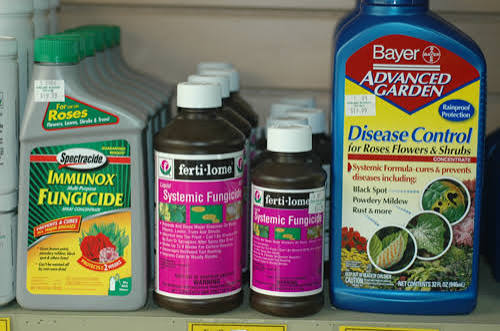
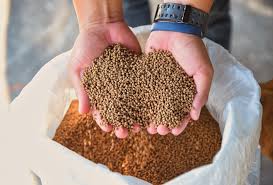
Fungicides are specialized crop protection products designed to prevent, control, and manage fungal diseases that affect plants, crops, trees, turf, and ornamental vegetation. Fungal pathogens are among the most destructive threats to agricultural production worldwide, causing significant losses in crop yield, quality, and economic value. By protecting plants from fungal infections, fungicides play a crucial role in modern agriculture, horticulture, forestry, and landscape management.
Fungal diseases can affect virtually every stage of plant growth, from seed germination and root development to flowering, fruiting, and harvest. Common fungal infections such as powdery mildew, rusts, blights, leaf spots, anthracnose, and root rots can severely damage crops if left untreated. Fungicides help minimize these risks by either preventing fungal establishment or stopping disease development after infection occurs.
Modern fungicides are available in various formulations and modes of action to address different disease challenges and crop requirements. They are widely used by farmers, greenhouse operators, nursery managers, landscapers, and gardeners to maintain healthy plants, improve productivity, and support sustainable agricultural practices.
Product Definition
A fungicide is a biological or chemical substance specifically formulated to prevent, suppress, control, or eliminate fungal pathogens that cause diseases in plants. Fungicides may be applied to seeds, soil, foliage, fruits, or harvested produce to protect plants from fungal infections and reduce disease-related damage.
Depending on their formulation and mode of action, fungicides may function as preventive treatments, curative treatments, or both. They can be used in agricultural crops, fruit orchards, vegetable production, turf management, forestry operations, and ornamental plant cultivation.
Product Specifications
The specifications of fungicides vary depending on active ingredients, formulation type, and intended application. The table below outlines common specifications associated with fungicide products.
Varies according to product formulation and dosage
Solubility
Water-soluble or dispersible formulations
Shelf Life
Typically 2–5 years when properly stored
Packaging Sizes
Small retail packs to commercial agricultural containers
Storage Requirements
Cool, dry, secure storage conditions
Crop Compatibility
Field crops, fruits, vegetables, ornamentals, turf, forestry
Usage Environment
Agriculture, horticulture, landscaping, greenhouse production
Product Features
1. Effective Disease Prevention
Fungicides help prevent fungal spores from infecting plants, reducing disease outbreaks and protecting crop health.
2. Broad-Spectrum Protection
Many fungicides provide protection against multiple fungal diseases, offering comprehensive disease management solutions.
3. Curative Action
Certain fungicides can stop or suppress fungal infections after disease symptoms have begun to appear.
4. Systemic Activity
Systemic fungicides are absorbed by plant tissues and transported throughout the plant, providing internal protection against fungal pathogens.
5. Contact Protection
Contact fungicides remain on plant surfaces and create protective barriers that prevent fungal spores from establishing infections.
6. Flexible Application Methods
Fungicides can be applied through spraying, seed treatment, soil application, irrigation systems, and other methods.
7. Improved Crop Quality
Disease control contributes to healthier plants and higher-quality produce with improved appearance and market value.
8. Compatibility with Integrated Disease Management
Many fungicides can be incorporated into broader crop protection and disease management programs.
Types of Fungicides
Contact Fungicides
Contact fungicides remain on the plant surface and protect against fungal infections by preventing spores from germinating or penetrating plant tissues.
Systemic Fungicides
Systemic fungicides are absorbed into plant tissues and move through the plant, providing internal protection and control.
Preventive Fungicides
Preventive fungicides are applied before infection occurs to protect plants from disease development.
Curative Fungicides
Curative fungicides are designed to suppress or stop fungal growth after infection has begun.
Protectant Fungicides
These products form a protective layer on plant surfaces, reducing the likelihood of fungal establishment.
Biological Fungicides
Biological fungicides utilize beneficial microorganisms or naturally derived compounds to suppress fungal pathogens.
Seed Treatment Fungicides
Seed treatment products protect seeds and young seedlings from soil-borne and seed-borne fungal diseases.
Soil Fungicides
These formulations target fungal pathogens present in soil environments and root zones.
Uses of Fungicides
1. Crop Disease Management
Fungicides are widely used in field crops to control fungal diseases and protect agricultural productivity.
2. Fruit Production
Fruit growers use fungicides to protect orchards and vineyards from diseases that affect yield and fruit quality.
3. Vegetable Cultivation
Vegetable producers rely on fungicides to manage diseases that can damage crops during growth and storage.
4. Greenhouse Operations
Controlled-environment agriculture frequently utilizes fungicides to prevent disease outbreaks in densely planted systems.
5. Ornamental Plant Protection
Nurseries and landscapers use fungicides to maintain the health and appearance of flowers, shrubs, and decorative plants.
6. Turf Management
Golf courses, sports fields, and lawns often require fungicide applications to control turf diseases.
7. Forestry Applications
Fungicides help protect trees and forest resources from fungal pathogens that threaten growth and survival.
8. Post-Harvest Disease Control
Certain fungicides are used to reduce storage diseases and extend the shelf life of harvested produce.
Advantages of Fungicides
Increased Crop Yields
Effective disease control reduces crop losses and supports higher agricultural productivity.
Improved Crop Quality
Healthy plants produce better-quality fruits, vegetables, grains, and ornamental products.
Enhanced Plant Health
Fungicides help maintain vigorous growth by reducing disease-related stress and damage.
Economic Benefits
Reduced crop losses and improved product quality can increase profitability for growers and agricultural enterprises.
Disease Prevention
Preventive fungicide programs help minimize the risk of severe disease outbreaks.
Flexible Usage
Multiple formulations and application methods make fungicides suitable for diverse crops and production systems.
Support for Food Security
By reducing losses caused by fungal diseases, fungicides contribute to stable food production and supply chains.
Storage and Handling
Proper storage and handling help maintain fungicide effectiveness and ensure safe use.
Storage Guidelines
Store in original labeled containers.
Keep in a cool, dry, and well-ventilated location.
Protect from moisture, extreme temperatures, and direct sunlight.
Restrict access to authorized personnel.
Handling Precautions
Follow all manufacturer instructions and application guidelines.
Use appropriate protective equipment during handling and application.
Prevent contamination of food, feed, and water sources.
Application Best Practices
Apply according to recommended rates and schedules.
Rotate fungicides with different modes of action when appropriate.
Use calibrated equipment for accurate application.
Market Demand and Industry Importance
Fungicides represent a vital segment of the global crop protection industry. Increasing demand for food production, high-quality agricultural products, and effective disease management continues to drive growth in fungicide usage worldwide. Climate variability, expanding agricultural production, and the emergence of new plant diseases further highlight the importance of reliable fungal disease control solutions.
Advancements in fungicide chemistry, biological products, precision agriculture, and sustainable crop protection technologies continue to improve product effectiveness while supporting environmental stewardship and responsible agricultural practices.
Conclusion
Fungicides are essential plant protection products that help prevent and control fungal diseases across a wide range of agricultural, horticultural, forestry, and landscaping applications. By protecting plants from damaging pathogens, fungicides contribute significantly to improved crop yields, enhanced product quality, healthier vegetation, and increased economic returns.
Available in numerous formulations and modes of action, fungicides provide flexible and effective solutions for disease management challenges. Their role in supporting sustainable agriculture, food security, and plant health makes them indispensable tools for modern crop production and vegetation management. When used responsibly and as part of integrated disease management programs, fungicides continue to play a critical role in maintaining productive and resilient agricultural systems worldwide.