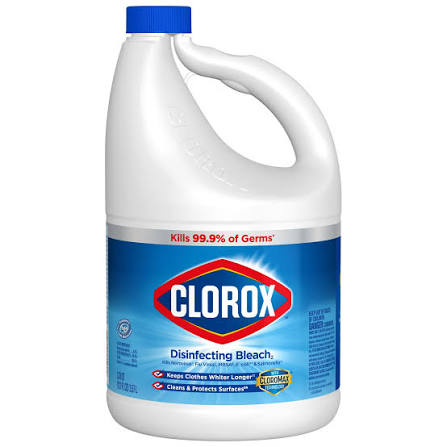
Bleach is a powerful chemical cleaning and disinfecting agent widely used in households, industries, healthcare facilities, and commercial environments. It is primarily known for its ability to remove stains, whiten fabrics, and eliminate harmful microorganisms such as bacteria, viruses, and fungi. Because of these strong properties, bleach plays an essential role in sanitation, hygiene maintenance, water treatment, and surface cleaning applications.
Bleach is typically available in liquid or powder form, with sodium hypochlorite being the most common active ingredient in household liquid bleach. Industrial and specialized formulations may also contain calcium hypochlorite or other chlorine-based compounds. Its strong oxidizing properties allow it to break down stains, discoloration, and organic matter effectively.
Due to its effectiveness and affordability, bleach is one of the most widely used cleaning agents globally. However, it must be handled carefully because of its corrosive nature and strong chemical activity.
Product Definition
Bleach is a chemical substance used primarily for whitening, disinfecting, and deodorizing surfaces and materials. It works by releasing active chlorine or oxygen compounds that oxidize stains, destroy microorganisms, and break down organic substances.
Bleach is commonly categorized into chlorine-based bleach and oxygen-based bleach. Chlorine bleach is more powerful and widely used for disinfection and whitening, while oxygen bleach is considered milder and more environmentally friendly.
Product Specifications
The specifications of bleach vary depending on formulation, concentration, and intended application.
Specification
Description
Product Name
Bleach
Product Type
Cleaning, Whitening, and Disinfecting Agent
Physical Form
Liquid or powder
Active Ingredient
Sodium hypochlorite (NaOCl) or calcium hypochlorite
Concentration
Typically 3%–15% for household use
pH Level
Strongly alkaline (approx. 11–13)
Odor
Strong chlorine smell
Color
Pale yellow or clear liquid
Solubility
Fully water-soluble
Stability
Decomposes over time when exposed to light or heat
Shelf Life
Typically 6 months to 1 year
Packaging Types
Bottles, jerry cans, drums, sachets
Storage Conditions
Cool, dark, and ventilated environment
Application Areas
Cleaning, disinfection, whitening, water treatment
Product Features
1. Strong Stain Removal
Bleach effectively removes tough stains from fabrics, surfaces, and materials through oxidation.
2. Powerful Disinfectant
It kills a wide range of harmful microorganisms including bacteria, viruses, and fungi.
3. Whitening Ability
Bleach restores brightness to white fabrics by breaking down color-causing compounds.
4. Fast Action
It works quickly in cleaning and disinfecting applications, saving time and effort.
5. Cost-Effective Cleaning Solution
Bleach is widely available and affordable compared to many specialized cleaning agents.
6. Versatile Applications
It can be used in household cleaning, industrial sanitation, and water purification systems.
7. Odor Elimination
Bleach helps neutralize unpleasant odors by destroying odor-causing bacteria.
8. Water Treatment Capability
It is used in controlled doses to disinfect drinking water and wastewater.
Types of Bleach
Chlorine Bleach
Made from sodium hypochlorite or calcium hypochlorite, it is highly effective for disinfecting, whitening, and heavy-duty cleaning.
Oxygen Bleach
Contains compounds such as hydrogen peroxide or sodium percarbonate. It is gentler, color-safe, and more environmentally friendly.
Household Bleach
Diluted chlorine bleach used for everyday cleaning, laundry whitening, and surface disinfection.
Industrial Bleach
Higher concentration bleach used in factories, hospitals, and water treatment facilities.
Laundry Bleach
Specially formulated for fabric whitening and stain removal in washing machines or hand washing.
Uses of Bleach
1. Household Cleaning
Bleach is commonly used for cleaning bathrooms, kitchens, floors, and other household surfaces.
2. Laundry and Fabric Care
It removes stains and restores whiteness in clothing, linens, and textiles.
3. Healthcare Sanitation
Hospitals and clinics use bleach for disinfecting equipment, floors, and surfaces to prevent infection spread.
4. Water Treatment
Bleach is used to disinfect drinking water and wastewater by killing harmful microorganisms.
5. Industrial Cleaning
Factories use bleach for cleaning equipment, storage areas, and processing facilities.
6. Mold and Mildew Removal
It effectively eliminates mold growth in damp environments.
7. Public Sanitation
Used in schools, offices, and public facilities to maintain hygiene standards.
8. Food Industry Cleaning
Applied in controlled environments for sanitizing food preparation areas and equipment.
Advantages of Bleach
High Disinfection Power
Bleach is highly effective in killing germs and preventing the spread of disease.
Strong Whitening Effect
It restores brightness and removes discoloration from fabrics and surfaces.
Wide Availability
Bleach is easily accessible in most markets and stores worldwide.
Multi-Purpose Use
It can be used for cleaning, disinfecting, whitening, and deodorizing.
Cost Efficiency
Bleach provides powerful cleaning at a low cost.
Fast Results
It works quickly compared to many other cleaning agents.
Effective Odor Control
It eliminates odors by destroying bacteria and organic residues.
Safety Considerations
Bleach is a strong chemical and must be handled with care.
Handling Precautions
Avoid direct contact with skin and eyes
Do not inhale fumes directly
Use gloves when handling concentrated solutions
Ensure proper ventilation during use
Mixing Warnings
Never mix bleach with ammonia or acids, as this can produce toxic gases
Always dilute according to manufacturer instructions
Storage Guidelines
Store in a cool, dark place
Keep tightly sealed
Avoid exposure to sunlight and heat
Keep out of reach of children
Environmental Considerations
Bleach breaks down into salt and water over time, but improper use can harm aquatic life and contribute to environmental pollution. Therefore, responsible usage is essential. Many modern formulations aim to reduce environmental impact through controlled concentrations and improved chemical stability.
Oxygen-based bleaches are increasingly used as eco-friendlier alternatives due to their reduced toxicity and biodegradability.
Market Demand and Industry Importance
Bleach remains one of the most important cleaning and disinfecting agents globally. Its demand is driven by increasing awareness of hygiene, growth in healthcare infrastructure, expansion of the hospitality sector, and rising standards for sanitation in public and private spaces.
The COVID-19 pandemic significantly increased the global demand for disinfectants, including bleach, reinforcing its importance in infection control and public health. Today, bleach continues to play a vital role in maintaining hygiene standards across all sectors.
Conclusion
Bleach is a highly effective and widely used chemical agent for cleaning, disinfecting, whitening, and deodorizing. Its strong oxidizing properties make it essential in households, healthcare facilities, industries, and water treatment systems.
Despite its effectiveness, bleach must be handled responsibly due to its corrosive nature and potential hazards. With proper usage and safety measures, it remains one of the most valuable and cost-effective solutions for maintaining cleanliness and hygiene in modern society.