Biomass fuel products are renewable energy materials produced from organic matter such as agricultural waste, wood residues, animal waste, and plant materials. These fuels are used for heating, cooking, electricity generation, and industrial energy production.
Biomass fuels are considered an important alternative to fossil fuels because they are renewable and can help reduce waste while generating usable energy.
A key scientific principle involved is: Biomass Energy
Definition of Biomass Fuel Products
Biomass fuel products are processed or unprocessed organic materials used as energy sources through combustion, gasification, or biological conversion processes.
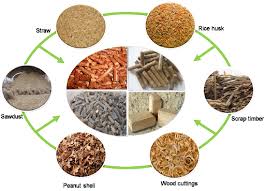
A widely used renewable solid fuel is: Biomass Pellets
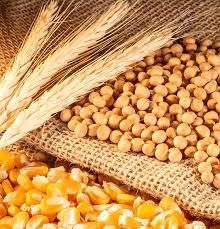
Liquid biofuels made from crops and vegetable oils
Physical and Technical Characteristics
Biomass fuel products generally have:
Organic carbon-based composition
Renewable fuel source
Variable moisture content
Combustible energy value
Different physical forms (solid, liquid, gas)
Lower sulfur emissions than coal or heavy fuel oils
Biodegradable origin
Production of Biomass Fuel Products
1. Collection of Biomass Materials
Organic waste and plant materials are gathered.
2. Drying and Processing
Materials are dried to reduce moisture.
3. Compression or Conversion
Biomass is compressed into pellets or briquettes, or converted into gas/liquid fuels.
4. Packaging and Distribution
Processed fuel products are stored and transported for use.
Main Uses of Biomass Fuel Products
1. Domestic Cooking and Heating
Biomass stoves and household heating systems
2. Industrial Energy
Boilers and industrial furnaces
3. Electricity Generation
Biomass power plants and mini-grids
4. Agricultural Applications
Crop drying and greenhouse heating
5. Transportation Fuels
Biodiesel and bioethanol blends
Tabulated Specification of Biomass Fuel Products
Specification
Details
Product Name
Biomass Fuel Products
Source Materials
Wood, crop waste, organic matter
Fuel Forms
Solid, liquid, gaseous
Renewable Status
Renewable energy source
Main Products
Pellets, briquettes, biogas, biodiesel
Energy Content
Moderate to high (varies by type)
Sulfur Content
Generally low
Main Applications
Heating, cooking, electricity generation
Advantages of Biomass Fuel Products
1. Renewable Energy Source
Derived from continuously replenishable materials.
2. Waste Reduction
Uses agricultural and organic waste efficiently.
3. Lower Carbon Footprint
Can reduce net greenhouse gas emissions.
4. Rural Economic Support
Creates jobs in farming and biomass processing.
5. Versatile Energy Use
Can produce heat, electricity, and transport fuels.
Economic Importance
Biomass fuel products are important because they:
Support renewable energy industries
Reduce dependence on fossil fuels
Promote rural development and job creation
Provide alternative cooking and heating fuels
Enable decentralized energy production
They are increasingly important in sustainable energy strategies worldwide.
Environmental Considerations
Biomass fuels provide environmental benefits but also involve:
Air pollution from inefficient combustion
Land use concerns for energy crops
Deforestation risks if unsustainably harvested
Sustainability measures include:
Efficient biomass stoves and boilers
Reforestation programs
Use of agricultural waste instead of fresh timber
Cleaner combustion technologies
Storage and Handling Guidelines
To maintain fuel quality:
Store biomass fuels in dry environments
Protect from moisture and mold
Avoid contamination with soil or chemicals
Use proper ventilation for stored fuels
Keep away from open flames and sparks
Conclusion
Biomass fuel products are renewable energy materials made from organic resources such as wood, agricultural waste, and biodegradable matter. Products like Biomass Pellets provide sustainable alternatives to fossil fuels for heating, cooking, and electricity generation.
From household cooking and industrial boilers to renewable power plants, biomass fuels contribute to cleaner and more sustainable energy systems.
In essence, biomass fuel products are not just organic materials—they are renewable energy solutions that support waste utilization, energy access, and environmental sustainability worldwide.