Mini-grid systems are localized electricity generation and distribution networks designed to provide power to communities, institutions, industries, or remote areas that are not fully connected to national electricity grids. They are widely used in rural electrification, renewable energy projects, and decentralized energy systems.
Mini-grids can operate independently (off-grid) or in combination with the main utility grid.
A key concept behind these systems is: Decentralized Energy Systems
Definition of Mini-Grid Systems
Mini-grid systems are small-scale electricity networks that generate, store, and distribute power within a limited geographic area. They commonly use renewable energy sources such as solar, wind, hydro, or hybrid combinations with battery storage and backup generators.
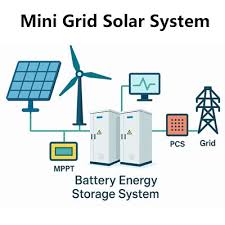
A common renewable energy-based configuration is: Solar Mini-Grid
Main Components of Mini-Grid Systems
1. Power Generation Unit
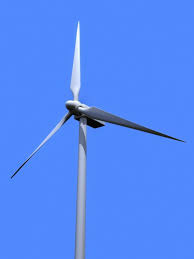
Solar panels, wind turbines, hydro systems, or diesel generators
2. Energy Storage System
Batteries for storing excess electricity
3. Inverter and Control System
Converts and regulates electricity supply
4. Distribution Network
Power lines and transformers delivering electricity to users
5. Smart Metering System
Monitors energy usage and billing
6. Backup Power System
Additional energy source for reliability
Types of Mini-Grid Systems
1. Solar Mini-Grids
Powered mainly by solar panels and batteries
Popular in rural electrification projects
2. Hybrid Mini-Grids
Combine multiple energy sources (solar + diesel + wind)
3. Hydro Mini-Grids
Powered by small hydroelectric systems
4. Wind Mini-Grids
Use wind turbines as the main energy source
5. Diesel Mini-Grids
Powered mainly by diesel generators
Common in isolated industrial operations
Physical and Technical Characteristics
Mini-grid systems typically have:
Localized electricity distribution networks
Renewable or hybrid power generation sources
Battery storage integration
Smart energy management systems
Modular and scalable infrastructure
AC and/or DC electricity output
Independent or grid-connected operation capability
How Mini-Grid Systems Work
1. Electricity Generation
Power is generated from renewable or conventional sources.
2. Energy Storage
Excess electricity is stored in batteries.
3. Power Conversion
Inverters convert electricity into usable AC power.
4. Distribution
Electricity is delivered through local power lines.
5. Energy Management
Controllers regulate supply, demand, and battery charging.
Main Uses of Mini-Grid Systems
1. Rural Electrification
Villages and remote communities
Areas without national grid access
2. Commercial and Industrial Applications
Factories, farms, and mining operations
3. Public Infrastructure
Schools, hospitals, and government facilities
4. Agricultural Systems
Irrigation and cold storage systems
5. Disaster Recovery and Emergency Power
Temporary energy supply during outages or disasters
Tabulated Specification of Mini-Grid Systems
Specification
Details
Product Name
Mini-Grid Systems
Function
Local electricity generation and distribution
Energy Sources
Solar, wind, hydro, diesel, hybrid systems
Main Components
Generators, batteries, inverters, distribution
Operation Type
Off-grid or grid-connected
Distribution Scale
Community or localized network
Storage System
Battery energy storage
Main Applications
Rural electrification, industries, institutions
Advantages of Mini-Grid Systems
1. Expands Electricity Access
Provides power to remote and underserved areas.
2. Supports Renewable Energy
Integrates solar, wind, and hydro systems.
3. Energy Independence
Reduces reliance on unstable national grids.
4. Scalable Infrastructure
Can expand as demand increases.
5. Lower Transmission Losses
Electricity is generated close to consumers.
Economic Importance
Mini-grid systems are important because they:
Improve rural and industrial electrification
Support economic development in remote areas
Create jobs in renewable energy sectors
Reduce dependence on fossil fuel generators
Enable local businesses and productivity growth
They are a major solution for global energy access challenges.
Environmental Considerations
Mini-grid systems provide environmental benefits when renewable-based:
Lower greenhouse gas emissions
Reduced diesel fuel consumption
Cleaner local energy production
However:
Battery disposal requires proper management
Equipment manufacturing consumes resources
Land use planning is necessary for installations
Sustainability measures include:
Battery recycling programs
Renewable energy integration
Smart energy management systems
Storage and Handling Guidelines
To maintain reliability:
Protect batteries from heat and moisture
Maintain solar panels and turbines regularly
Inspect wiring and distribution systems frequently
Use proper grounding and surge protection
Monitor system performance continuously
Conclusion
Mini-grid systems are localized electricity networks designed to provide reliable power to communities, institutions, and industries using renewable or hybrid energy sources. Technologies such as the Solar Mini-Grid are transforming energy access in remote and underserved regions.
From rural villages and schools to commercial facilities and agricultural operations, mini-grids support sustainable electrification and economic development.
In essence, mini-grid systems are not just small power networks—they are innovative decentralized energy solutions that improve electricity access, resilience, and sustainability worldwide.