

Fast delivery within 72 Hours

Generators
Contact Supplier
Supplier: goldensnake954Phone: +16538653666
Email: kafax29079@dysonc.com
Address: 7079 W Sherman Dr Cary, United States
Visit Supplier Store

Black Friday Blowout!
Description
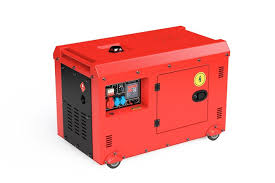
Generators: Comprehensive Product Description
Introduction
Electricity has become an essential requirement in modern life, powering homes, businesses, industries, healthcare facilities, educational institutions, and critical infrastructure. However, power outages, unstable grid supply, and the need for electricity in remote locations often create challenges that require reliable backup power solutions. Generators have emerged as one of the most dependable and efficient devices for ensuring uninterrupted power supply whenever and wherever it is needed.
A generator is a machine designed to convert mechanical energy into electrical energy through the principle of electromagnetic induction. It serves as an alternative or backup source of electricity during power failures and is widely used in residential, commercial, industrial, and recreational applications. Generators are available in various sizes, capacities, and fuel types, making them suitable for different power requirements ranging from small household appliances to large industrial machinery.
Modern generators are engineered with advanced technologies that enhance fuel efficiency, operational safety, noise reduction, and environmental performance. Whether used as a temporary power source during emergencies or as a primary electricity provider in off-grid locations, generators play a crucial role in maintaining productivity, comfort, and safety.
This product description explores the features, specifications, applications, benefits, and importance of generators, highlighting why they remain an indispensable solution for reliable power generation.
Product Definition
A generator is an electromechanical device that converts mechanical energy obtained from an external source, such as a diesel engine, gasoline engine, natural gas engine, or turbine, into electrical energy. The generated electricity can be used to power electrical equipment, machinery, appliances, and systems when the main utility power source is unavailable or insufficient.
Generators operate based on Faraday’s Law of Electromagnetic Induction, where the movement of a conductor within a magnetic field induces an electric current. They do not create energy but rather transform existing mechanical energy into usable electrical power.
These machines are available in portable, standby, inverter, and industrial configurations to meet diverse operational needs.
Product Specifications
The following table presents the typical specifications of a modern generator. Actual specifications may vary depending on the manufacturer, model, and intended application.
| Specification | Description |
|---|---|
| Product Name | Electric Generator |
| Function | Converts mechanical energy into electrical energy |
| Power Output Range | 1 kW – 3000+ kW |
| Voltage Output | 110V, 220V, 230V, 240V, 380V, 415V and customized options |
| Frequency | 50 Hz / 60 Hz |
| Fuel Type | Diesel, Gasoline, Natural Gas, LPG, Biogas |
| Engine Type | Four-stroke, air-cooled or water-cooled |
| Starting System | Electric start, recoil start, automatic start |
| Fuel Tank Capacity | 5 – 1000+ liters depending on model |
| Runtime | 4 – 72 hours depending on load and fuel capacity |
| Noise Level | 50 – 95 dB |
| Cooling System | Air cooling or liquid cooling |
| Alternator Type | Brushless or brushed alternator |
| Power Factor | Typically 0.8 to 1.0 |
| Control Panel | Digital or analog monitoring system |
| Protection Features | Overload, low oil shutdown, overvoltage protection |
| Mobility | Portable, wheeled, trailer-mounted, or stationary |
| Enclosure Type | Open-frame or soundproof canopy |
| Emission Standards | Compliance with local environmental regulations |
| Maintenance Requirements | Periodic oil, filter, and component inspection |
| Application Areas | Residential, commercial, industrial, agricultural, emergency services |
Key Features
1. Reliable Backup Power
Generators provide dependable electricity during unexpected power outages. They ensure that critical systems continue operating without interruption, making them ideal for homes, hospitals, offices, and manufacturing facilities.
2. Efficient Energy Conversion
Modern generators are designed to maximize energy conversion efficiency, reducing fuel consumption while delivering consistent electrical output. Advanced engine technologies improve performance and minimize operating costs.
3. Multiple Fuel Options
Generators are available with various fuel sources, including diesel, gasoline, natural gas, and liquefied petroleum gas (LPG). This flexibility allows users to select the most suitable and cost-effective option based on availability and operational requirements.
4. Automatic Operation
Many standby generators feature automatic transfer switches that detect power failures and start the generator instantly. Once utility power is restored, the system automatically switches back and shuts down the generator safely.
5. Portable Design
Portable generators offer mobility and convenience, making them suitable for outdoor events, construction sites, camping trips, and emergency situations.
6. Advanced Safety Systems
Modern generators incorporate multiple safety mechanisms such as overload protection, low-oil shutdown, circuit breakers, and voltage regulation systems to protect both the equipment and connected devices.
7. Noise Reduction Technology
Soundproof enclosures and advanced muffler systems significantly reduce operating noise, making generators more suitable for residential and commercial environments.
8. Durable Construction
Manufactured using high-quality metals and corrosion-resistant materials, generators are built to withstand harsh environmental conditions and prolonged operation.
9. Digital Monitoring Systems
Many generators are equipped with intelligent control panels that display voltage, frequency, operating hours, fuel levels, battery status, and maintenance alerts.
10. Scalable Power Capacity
Generators are available in a wide range of capacities, allowing users to choose models that precisely match their energy demands.
Uses of Generators
Residential Applications
Generators are widely used in homes to provide electricity during power outages. They can power essential appliances such as:
- Refrigerators
- Lighting systems
- Air conditioners
- Televisions
- Water pumps
- Security systems
- Medical equipment
Homeowners rely on generators to maintain comfort and safety during utility interruptions caused by storms, grid failures, or maintenance work.
Commercial Applications
Businesses depend on continuous electricity to maintain operations and customer service. Generators support:
- Retail stores
- Restaurants
- Hotels
- Shopping centers
- Banks
- Data centers
- Office buildings
By preventing downtime, generators help businesses avoid financial losses and operational disruptions.
Industrial Applications
Industrial facilities require substantial amounts of electricity to operate machinery and production lines. Generators provide backup or primary power for:
- Manufacturing plants
- Mining operations
- Warehouses
- Processing facilities
- Heavy machinery operations
Industrial generators ensure production continuity and protect equipment from power fluctuations.
Healthcare Facilities
Hospitals and healthcare centers cannot afford power interruptions. Generators support critical systems including:
- Life-support equipment
- Surgical units
- Diagnostic machines
- Emergency lighting
- Communication systems
Reliable backup power is essential for patient safety and uninterrupted medical services.
Construction Sites
Construction projects often take place in locations without permanent electricity infrastructure. Portable and industrial generators power:
- Welding equipment
- Drills
- Compressors
- Concrete mixers
- Site lighting
These generators enable work to continue efficiently regardless of location.
Agricultural Operations
Farmers use generators to operate various agricultural systems such as:
- Irrigation pumps
- Grain dryers
- Livestock ventilation systems
- Feeding equipment
- Refrigeration units
Generators help maintain agricultural productivity and prevent losses during power outages.
Emergency Response Services
Emergency organizations rely on generators during disasters and crisis situations. Applications include:
- Rescue operations
- Temporary shelters
- Communication centers
- Medical response units
- Disaster recovery efforts
Generators provide vital power when conventional electrical infrastructure is compromised.
Telecommunications
Telecommunication networks require uninterrupted power to maintain connectivity. Generators support:
- Mobile towers
- Communication hubs
- Internet infrastructure
- Broadcasting stations
Reliable power ensures continuous communication during emergencies and outages.
Events and Entertainment
Outdoor events often require temporary electrical power. Generators are commonly used for:
- Concerts
- Exhibitions
- Festivals
- Sporting events
- Film production
They provide dependable electricity for lighting, sound systems, and production equipment.
Recreational Activities
Portable generators are popular among outdoor enthusiasts for powering:
- Recreational vehicles (RVs)
- Camping equipment
- Portable appliances
- Outdoor cooking devices
These generators enhance convenience and comfort during travel and outdoor adventures.
Benefits of Using Generators
Uninterrupted Power Supply
Generators ensure continuous electricity availability during outages, reducing disruptions and inconvenience.
Increased Productivity
Businesses and industries can continue operating without costly downtime, maintaining efficiency and profitability.
Equipment Protection
Generators prevent sudden shutdowns that could damage sensitive electronic equipment and machinery.
Enhanced Safety
Reliable backup power supports emergency lighting, security systems, and critical medical devices.
Flexibility and Mobility
Portable generators provide power in locations where grid electricity is unavailable.
Cost Savings
Preventing operational interruptions and product losses can significantly reduce financial risks associated with power failures.
Long-Term Reliability
High-quality generators offer years of dependable service when properly maintained.
Energy Independence
Generators provide users with greater control over their electricity supply, especially in remote or off-grid areas.
Maintenance Requirements
To ensure optimal performance and longevity, generators require routine maintenance, including:
- Regular oil changes
- Air filter cleaning or replacement
- Fuel system inspection
- Battery maintenance
- Coolant level checks
- Spark plug replacement
- Alternator inspection
- Load testing
Scheduled maintenance helps prevent unexpected failures and maximizes operational efficiency.
Environmental Considerations
Modern generator manufacturers continue to improve environmental performance through:
- Reduced emissions technologies
- Fuel-efficient engines
- Cleaner fuel options
- Noise reduction systems
- Enhanced combustion processes
These advancements help minimize environmental impact while maintaining reliable power generation capabilities.
Conclusion
Generators are essential power solutions that provide reliable electricity in situations where grid power is unavailable, unstable, or insufficient. Through the efficient conversion of mechanical energy into electrical energy, generators support a vast range of residential, commercial, industrial, agricultural, healthcare, and emergency applications. Their versatility, durability, fuel flexibility, and advanced safety features make them indispensable assets for individuals and organizations seeking uninterrupted power supply.
Whether serving as a backup system during emergencies, a primary source of electricity in remote locations, or a temporary power solution for special projects and events, generators continue to play a vital role in modern society. With ongoing technological advancements improving efficiency, safety, and environmental performance, generators remain one of the most practical and dependable investments for ensuring continuous access to electrical power whenever it is needed.