Coconut charcoal is a high-quality, eco-friendly form of charcoal produced from coconut shells, a by-product of coconut processing. It is widely used as a clean-burning fuel and industrial raw material due to its high carbon content, long burning time, and low ash production.
Unlike traditional wood charcoal, coconut charcoal is considered more sustainable because it utilizes agricultural waste that would otherwise be discarded. It is commonly used in cooking, shisha (hookah), metallurgy, water filtration, and activated carbon production.
With the growing demand for renewable and cleaner energy sources, coconut charcoal has become an important alternative fuel in both domestic and industrial markets.
Definition of Coconut Charcoal
Coconut charcoal is a carbon-rich solid fuel produced by carbonizing coconut shells under controlled, low-oxygen conditions, resulting in a dense, high-energy, and low-impurity charcoal product.
The raw material comes from coconut plantations, primarily from coconut-producing regions where the shells are abundant after food and oil processing. Coconut palms include:
Cocos nucifera
This natural source ensures a sustainable supply of biomass waste for charcoal production.
Types of Coconut Charcoal
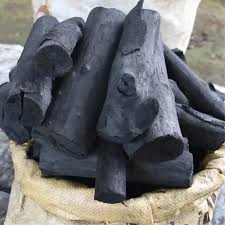
1. Lump Coconut Charcoal
Natural, irregular-shaped charcoal pieces
High heat output and long burning duration
Common for grilling and industrial use
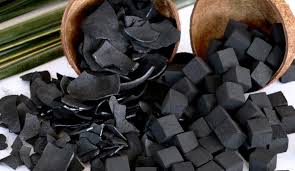
2. Coconut Charcoal Briquettes
Compressed charcoal powder shaped into blocks or cubes
Uniform size and consistent burning performance
Widely used for shisha, BBQ, and heating
3. Activated Coconut Charcoal
Highly processed form with enhanced porosity
Used for filtration, purification, and medical applications
4. Coconut Shell Carbon Powder
Fine powdered form
Used in metallurgy, filtration, and industrial processing
Physical Characteristics of Coconut Charcoal
Coconut charcoal is known for:
High carbon content and density
Very low moisture levels
Minimal smoke production
Long and steady burning time
Low ash residue after combustion
Hard and compact structure
High calorific value compared to wood charcoal
These features make it more efficient and cleaner than many other biomass fuels.
Manufacturing Process of Coconut Charcoal
The production of coconut charcoal involves several controlled stages:
1. Collection of Coconut Shells
Shells are collected after coconut meat extraction.
2. Cleaning and Drying
Shells are cleaned and sun-dried to remove moisture.
3. Carbonization (Pyrolysis)
Shells are heated in low-oxygen kilns or retorts to convert them into charcoal.
4. Cooling Process
Charcoal is cooled carefully to prevent ignition when exposed to air.
5. Crushing and Grinding (Optional)
Charcoal is broken into pieces or ground into powder for briquette production.
6. Briquetting
Charcoal powder is compressed into uniform shapes using binding agents.
7. Packaging
Final products are packed in bags or cartons for distribution.
Tabulated Specification of Coconut Charcoal
Specification
Details
Product Name
Coconut Charcoal
Raw Material
Cocos nucifera (coconut shells)
Product Type
Biomass solid fuel
Composition
Carbon-rich porous material
Color
Black
Moisture Content
Very low
Calorific Value
High (higher than many wood-based charcoals)
Ash Content
Very low
Burning Time
Long and steady
Smoke Production
Minimal
Texture
Hard, dense, brittle when broken
Main Applications
Cooking, shisha, filtration, metallurgy
Storage Conditions
Dry, ventilated environment
Packaging Format
Bags, cartons, bulk sacks
Environmental Impact
Eco-friendly (uses agricultural waste)
Uses of Coconut Charcoal
Coconut charcoal has diverse applications:
1. Household Cooking and BBQ
Used for grilling meat, fish, and vegetables
Produces consistent heat with little smoke
2. Shisha / Hookah Industry
Preferred for clean-burning and odorless smoke
Long-lasting heat source for hookah sessions
3. Industrial Heating
Used in furnaces and small-scale metal processing
Provides stable high-temperature heat
4. Water and Air Filtration
Activated coconut charcoal removes impurities and toxins
Used in purification systems
5. Agriculture
Converted into biochar for soil improvement
Enhances soil fertility and water retention
6. Chemical and Pharmaceutical Uses
Used in purification processes
Important in toxin absorption applications
Advantages of Coconut Charcoal
1. High Energy Efficiency
Produces more heat per unit compared to many wood charcoals.
2. Low Smoke and Odor
Burns cleanly, making it ideal for indoor and food-related use.
3. Long Burning Time
Dense structure allows slow and steady combustion.
4. Eco-Friendly
Made from renewable coconut shell waste.
5. Low Ash Residue
Leaves minimal waste after burning.
6. Sustainable Resource
Supports waste recycling in coconut-producing regions.
Economic Importance
Coconut charcoal contributes significantly to global and local economies by:
Creating value from agricultural waste
Supporting rural employment in coconut farming regions
Driving export markets for eco-fuel products
Supporting hospitality and food industries
Encouraging sustainable biomass energy development
It is a growing commodity in international green energy markets.
Environmental Considerations
Coconut charcoal is environmentally beneficial because:
It uses renewable agricultural by-products
Reduces reliance on wood-based charcoal
Supports waste recycling and circular economy
Produces lower emissions when properly manufactured
Helps reduce deforestation pressure
However, proper kiln technology is important to minimize emissions during production.
Storage and Handling Guidelines
To maintain quality:
Store in dry, moisture-free conditions
Keep away from water and humidity
Avoid exposure to open flames or heat sources
Use sealed packaging for long-term storage
Handle carefully to reduce breakage and dust formation
Proper storage ensures maximum burning efficiency.
Quality Control Standards
High-quality coconut charcoal must meet:
High fixed carbon content
Very low moisture level
Low ash residue
Consistent size and density
High calorific performance
Clean combustion (minimal smoke and odor)
Conclusion
Coconut charcoal is a premium, eco-friendly biomass fuel produced from the shells of Cocos nucifera. It offers superior burning efficiency, low smoke emission, and long-lasting heat, making it an ideal alternative to traditional wood charcoal.
From household cooking and shisha use to industrial heating and water filtration, coconut charcoal serves multiple industries while promoting sustainability and waste utilization. Its production supports environmental protection by reducing deforestation and making use of agricultural residues.
In essence, coconut charcoal is not just a fuel—it is a sustainable energy solution that transforms natural waste into a valuable, high-performance product for modern and traditional applications.