Fast delivery within 72 Hours

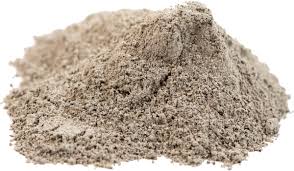
Bone meal
Contact Supplier
Supplier: brownelephant908Phone: +877542565
Email: sepeye8603@fisedo.com
Address: 1165 Avenue Vauban
Visit Supplier Store

Black Friday Blowout!
Description
Introduction
In the global push toward sustainable agriculture and cyclical resource management, industrial byproducts play a defining role. Among these, bone meal stands out as one of the most efficient upcycled inputs available. Derived from the processing of animal livestock, bone meal bridges the gap between large-scale livestock management and targeted soil and animal nutrition.
Every year, the livestock sector generates millions of tons of non-skeletal and skeletal tissue byproducts. While muscle tissue moves directly into the cold chain for food production, bones require alternative economic pathways to prevent massive environmental disposal burdens. The rendering and extraction sectors solve this challenge. By subjecting raw bovine, porcine, or ovine skeletal structures to intensive thermal cooking, pressure sterilization, and mechanical crushing, manufacturers convert a rigid, rot-prone byproduct into a shelf-stable, pathogen-free mineral concentrate.
Rich in bioavailable phosphorus, calcium, and trace amino acids, bone meal serves as an essential component in organic crop cultivation, commercial horticulture, and global livestock feed compounding.
Defining Bone Meal
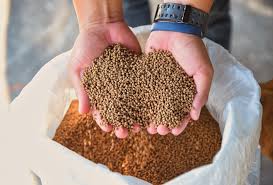
Commercially and scientifically, bone meal is an organic, finely to coarsely crushed mineral mixture produced by the cooking, degreasing, drying, and milling of animal bones.
It is crucial to distinguish true industrial bone meal from simple crushed raw bone scrap. True bone meal must undergo intensive thermal extraction to strip away gelatin, marrow fat, and soft tissues. This structural modification isolates the mineral-rich hydroxyapatite matrix of the bone, ensuring that the final powder is shelf-stable, virtually odorless, and completely free of active pathogens.
The primary objectives of processing raw bones into agricultural meal are:
-
Pathogen Elimination and Biosecurity: Utilizing high-pressure steam pasteurization to destroy complex viral and bacterial threats (such as Salmonella spp., Bacillus anthracis, and heat-resistant prions) before the product enters the biological supply chain.
-
Mineral Bioavailability: Breaking down the dense, calcified collagen shield surrounding bone tissue so that plants and animals can easily absorb the internal phosphorus and calcium.
-
Flowability and Uniformity: Grinding the material to specific mesh sizes to ensure it mixes perfectly into industrial animal feeds or flows smoothly through commercial fertilizer spreaders.
Bone meal exists across a spectrum of refining types, categorized by its production processing:
-
Steamed Bone Meal (Standard Agricultural Grade): Bones treated with pressurized steam to extract fats and gelatins. This is the most common form used for organic plant food, featuring high phosphorus availability and a clean, sandy or powdery feel.
-
Raw Bone Meal: Bones that are dried and ground without pressurized steaming. It retains a higher nitrogen content from residual marrow proteins but is much slower to break down in soil and carries a stronger odor profile.
-
Bone Ash: Bone meal that has been calcined (burned in the presence of oxygen) at temperatures exceeding 800°C. This burns off all organic matter, leaving behind a pure white, ultra-concentrated calcium phosphate powder used in advanced ceramic manufacturing (bone china) and specialized metallurgy.
Technical Specifications
For agricultural consultants, feed mill formulators, and bulk international buyers, bone meal must meet strict biochemical, moisture, and particle size requirements. The table below outlines standard specifications for premium, steamed agricultural and feed-grade bone meal.
| Specification Parameter | Targeted Standard Baseline | Testing / Compliance Method |
| Total Phosphorus ($P_2O_5$) | 22.0% to 28.0% | AOAC Spectrophotometric Method |
| Total Calcium ($Ca$) | 28.0% to 34.0% | Atomic Absorption Spectroscopy |
| Total Nitrogen ($N$) | 1.0% to 4.0% (Higher in raw grades) | Kjeldahl Combustion Analysis |
| Moisture Content | Maximum 8.0% by weight | Loss on Drying (105°C for 4 hours) |
| Crude Fat / Lipids | Maximum 3.0% to 5.0% | Ether / Soxhlet Extraction |
| Particle Size (Mesh Profile) | 95% passing through a 10-mesh screen | Mechanical Sieve Ro-Tap Profile |
| Salmonella spp. | Absent in 25 grams (Zero Tolerance) | Enrichment / Real-Time PCR Analysis |
| Heavy Metals (As, Pb, Cd) | Below detectable regulatory thresholds | ICP-MS Elemental Screening |
| Shelf Life Stability | Minimum 24 months if kept dry | Accelerated Rancidity Testing |
Comprehensive Functional Uses
Because bone meal contains a high concentration of essential minerals, it serves as a powerful foundational resource across two primary pillars of global production: soil science and animal husbandry.
1. Organic Fertilizer and Soil Restoration
In sustainable crop cultivation and commercial landscaping, bone meal functions as an exceptional, slow-release macronutrient fertilizer.
-
Targeted Root and Bloom Development: Phosphorus is the chemical driver behind plant cellular division, root elongation, and flower setting. Unlike synthetic phosphorus fertilizers that can wash away into local waterways during heavy rains, bone meal holds its nutrients tight. It releases phosphorus slowly over 3 to 4 months as soil microbes break down its matrix, matching the natural growth curve of crops perfectly.
-
Acidic Soil Conditioning: With a high concentration of calcium carbonate and calcium phosphate, bone meal acts as a mild, natural buffer. When applied to acidic soils, it slowly raises the pH toward a neutral range, which unlocks other vital micronutrients bound up in the dirt.
2. Commercial Livestock Feed Compounding
For poultry, swine, and dairy cattle operations, bone meal is used as a highly digestible mineral supplement.
-
Skeletal Reinforcement in Broilers: Modern poultry operations require rapid muscle mass gains. To prevent skeletal failure or leg weakness, feed mills blend bone meal into starter rations, providing the ideal 2:1 calcium-to-phosphorus ratio needed for fast bone development.
-
Eggshell Optimization: Laying hens deplete their internal calcium reserves daily to produce eggshells. Adding fine-mesh bone meal to their feed maintains shell thickness, lowering breakage rates during mechanical collection and shipping.
The Biophysical Chemistry of Mineral Release
To understand how bone meal functions in soil, we must look at its mineral chemistry. The primary component of bone meal is hydroxyapatite, a crystalline mineral complex of calcium and phosphate.
The Soil pH Barrier
Hydroxyapatite is highly insoluble in neutral or alkaline water. For bone meal to release its phosphorus, it requires an environment with an abundance of hydrogen ions ($H^+$)—specifically, a soil pH below 7.0.
When bone meal is worked into slightly acidic soil, the acid breaks down the hydroxyapatite crystal lattice. This slowly releases free calcium ions ($Ca^{2+}$) and plant-available phosphate ions into the surrounding soil water.
The Mycorrhizal Symbiosis
In healthier soils, the release of nutrients from bone meal is accelerated by mycorrhizal fungi. These beneficial fungi attach to plant roots and secrete specialized organic acids and enzymes (phosphatases). These compounds targetedly dissolve the bone meal particles, absorbing the phosphorus and trading it directly to the host plant in exchange for plant sugars.
Industrial Manufacturing Processes
Converting raw animal bone into a clean, uniform, and pathogen-free agricultural powder follows a strict industrial sequence focused on safety and sterilization.
[Raw Abattoir Bone Collection] ➔ [Sorting & Coarse Crushing] ➔ [High-Pressure Steam Digestion]
                                                                        │
[Hammer Mill Grinding] ◀ [Dehydration & Drying] ◀ [Centrifugal Fat Separation]
          │
          ▼
[Vibratory Sifting & Grading] ➔ [Automated Bagging] ➔ [Microbiological Clearance]
Raw bones are gathered from meat processing plants and transferred to rendering factories. They are scanned for metal contaminants and fed through heavy-duty rotary crushers that break the large skeletal structures down into uniform, fist-sized fragments.
The crushed bones enter continuous horizontal autoclaves. They are subjected to high-pressure steam cooking for at least 30 to 45 minutes. This intensive heat melts away marrow fat, breaks down sticky connective gelatins, and achieves a complete biological kill-step, neutralizing all bacteria and viral spores.
The liquid slurry containing melted fats, water, and dissolved gelatin is pumped away from the solid bone fragments. The remaining bone material is passed through high-speed centrifuges and press-screws to lower the residual lipid content below 3.0%, ensuring the final meal won’t spoil or turn rancid during storage.
The degreased bone fragments are fed into direct-fired rotary drum dryers. The moisture content is quickly dropped from over 40% down to a shelf-stable baseline under 8.0%, locking the minerals into a dry, brittle state.
The dry, brittle bone fragments pass into high-velocity hammer mills. High-speed steel beaters shatter the fragments against internal exit screens, grinding the material into a fine powder or sandy granule, depending on the final customer’s needs.
The milled powder passes over multi-deck vibratory screens that filter out any oversized pieces for re-milling. The finished bone meal is packed into moisture-resistant multi-wall paper bags or heavy woven poly bulk sacks (super sacks) before undergoing a final quality check.
Environmental and Supply Chain Security
Because bone meal is an animal-derived product, its global supply chain is governed by strict tracking and quality safety protocols to ensure biosecurity.
-
Source Certification: Premium manufacturers source their raw materials from facilities with clear veterinary traceability. This step ensures the bones come from healthy animals fit for human consumption, minimizing safety risks.
-
Dedicated Production Lines: To prevent any cross-contamination, modern rendering plants process bovine materials on entirely separate equipment from other animal proteins.
-
Moisture-Controlled Warehousing: Bone meal must be stored in cool, well-ventilated facilities on elevated pallets. Keeping the product dry is vital; any moisture exposure can trigger mold growth and attract pests, destroying its value.
Conclusion
Bone meal serves as a premier showcase of how modern agricultural science optimizes resource loops. By turning a dense livestock byproduct into a high-value agricultural resource, the processing sector captures maximum value while eliminating waste.
Through a highly controlled manufacturing process of high-pressure sterilization, fat separation, and hammer mill grinding, bone meal is converted into a clean, uniform mineral powerhouse. With its long-term, slow-release phosphorus and calcium profile, it remains an essential asset for building strong plant roots, stabilizing soil chemistry, and formulating balanced animal feeds. As agricultural production continues to favor sustainable, organic inputs, bone meal will remain an indispensable, circular commodity anchoring global agricultural systems.