The Resilient Staple: An Industrial Profile of Catfish
Introduction
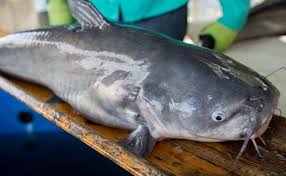
In the global aquaculture and inland fisheries sector, catfish (order Siluriformes) represents a unique intersection of ancestral culinary tradition and high-tech agricultural precision. Renowned for their characteristic barbels—sensory whiskers that allow them to thrive in murky, low-light benthic environments—catfish have become a commercial powerhouse. While Tilapia serves as the “aquatic chicken” of the world, the catfish is often viewed as the “aquatic workhorse,” valued for its robust hardiness, efficient conversion of feeds, and ability to survive in environments that would be lethal to more delicate species.
From the massive industrial ponds of the Mississippi Delta in the United States to the intensive cage-culture systems of Southeast Asia, the catfish industry has undergone a radical transformation. What was once a seasonal, wild-harvested catch has become a year-round, standardized commodity. This evolution is driven by sophisticated broodstock selection, precisely balanced nutrient profiles, and automated processing lines that ensure the product meets the stringent safety and quality standards of modern international food markets.
Defining the Product
Catfish are defined by their scaleless skin, distinct barbels, and a low-center-of-gravity body structure that allows them to inhabit the bottom layers of freshwater ecosystems. Commercially, the product is categorized not just by species—such as the Ictalurus punctatus (Channel Catfish) in the Americas or the Pangasius (Tra/Basa) species in Vietnam—but by its physical preparation.
The commercial catfish market recognizes three primary product formats:
Whole Dressed: Headless, skinned, and gutted, often sold fresh or frozen. This format remains popular in traditional markets where preparation is a part of the cultural culinary experience.
Fillets: The primary export format. These are harvested from the massive lateral muscles of the fish. Industrial processing focuses on “bleeding” the meat—a critical step to remove excess hemoglobin, which, if left behind, would result in a muddy, metallic aftertaste.
Value-Added/Convenience Items: Catfish are increasingly processed into pre-breaded nuggets, seasoned fillets, and even fish-protein-based sausages. Because catfish meat has a firmer texture than tilapia, it performs exceptionally well in frying and stewing applications, holding its shape better than most white-fleshed fish.
Industrial Specification Matrix
Catfish quality is strictly monitored to ensure the final product is free of the “earthy” flavors associated with natural pond environments.
Specification Parameter
Targeted Industrial Baseline
Verification Methodology
Moisture Content
$leq 78.0%$ (Non-injected)
Forced-Air Oven Gravimetric Drying
Crude Protein
Minimum $16% – 19%$
Kjeldahl Nitrogen Combustion
Total Lipid (Fat)
$5.0% – 10.0%$ (Species dependent)
Soxhlet Lipid Extraction
Gel Strength
> 400 g-cm (For processing grades)
Bloom Gelometer Analysis
Bacterial Count (APC)
$< 50,000 text{ CFU/g}$
Standard Selective Agar
Off-Flavor (Geosmin)
< 10 ppb (Sensory threshold)
GC-MS Sensory Analysis
Freezing Protocol
Blast frozen to $-40^circtext{C}$
Thermocouple Data Log
Industrial Applications and Food Systems
The catfish is a specialized tool in the global food supply chain, serving roles that are distinct from other farmed whitefish.
The Global Frying Standard: Unlike more delicate species, catfish possess a high enough fat content and a sturdy protein structure to withstand high-temperature deep-frying without breaking apart. This makes it a staple in the Quick Service Restaurant (QSR) industry, where consistent “crunch” is a mandatory consumer metric.
Stewing and Braising: In the cultures of the Mekong Delta and the Southern United States, the catfish is revered for its ability to absorb complex flavors in slow-cooked stews. Its protein fibers are resistant to collagen breakdown, meaning the fish remains succulent even after hours of simmering.
Institutional Supply: Because catfish can be produced at an exceptionally low price point relative to protein density, it is a primary ingredient in government food assistance programs and institutional catering in developing nations.
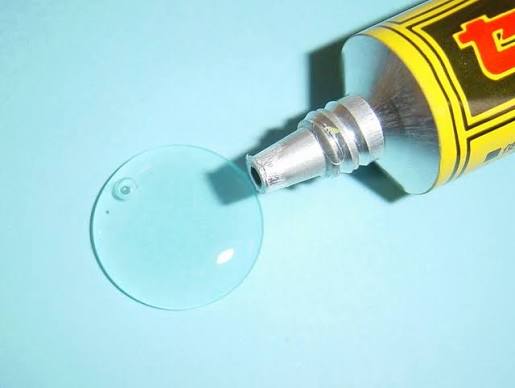
Byproduct Valorization: The catfish industry is a leader in circular agriculture. Catfish skin is processed into high-quality gelatin for the confectionery and pharmaceutical industries, while the fat-rich trimmings are rendered into high-grade fish oils for the animal feed industry.
The Science of Pond Management and Flavor Control
The most significant challenge in the catfish industry is the management of Geosmin and 2-methylisoborneol (MIB). These are naturally occurring compounds produced by blue-green algae in pond water. If absorbed into the fish’s fatty tissues, they create the “muddy” taste that consumers associate with low-quality catfish.
Purging Protocols:
To ensure a premium product, professional catfish farms utilize purging ponds. Before harvest, the fish are transferred to clean, flowing water tanks for 3 to 7 days. During this period, the fish do not eat; instead, they metabolize their fat reserves, effectively “cleansing” their tissues of these flavor-tainting compounds. This is a critical quality control step that distinguishes industrial-grade catfish from wild-caught or improperly managed stock.
Genetic Improvement:
The industry has moved far beyond natural breeding. Modern catfish operations use marker-assisted selection to identify strains that demonstrate superior growth rates, resistance to specific viral infections (such as Aeromonas), and better muscle-to-bone ratios. This scientific approach to broodstock ensures that every harvest is more efficient than the last, reducing the overall environmental impact of production.
Sustainability and Environmental Stewardship
Catfish farming is arguably one of the most resource-efficient forms of animal agriculture. Their ability to consume plant-based protein means they do not contribute to the overfishing of the world’s oceans.
Pond Integration: Catfish ponds often serve dual purposes, acting as water reservoirs for traditional crop irrigation. The nitrogen-rich water left over after a harvest is a potent fertilizer for rice and vegetable farming, creating a symbiotic cycle of food production.
Recirculating Aquaculture Systems (RAS): Advanced operations are now moving indoors. By using RAS, producers can operate in almost any climate, regardless of local water availability. These systems filter and recycle 99% of the water, and because they are indoors, they completely eliminate the need for antibiotics or chemical treatments to manage water quality, leading to a “clean-label” product that appeals to modern, health-conscious consumers.
Conclusion
The catfish is a testament to the success of specialized aquaculture. It occupies a critical niche in the global protein market, offering a unique combination of culinary durability, affordability, and nutritional density. The industrial transformation of this species—from a bottom-dwelling inhabitant of murky rivers to a standardized, pathogen-free, and consistently flavored retail product—is a success story of modern food engineering.
As the industry continues to advance, the focus is shifting toward even greater efficiency: reducing the carbon footprint of feed, perfecting the technology of indoor recirculating systems, and enhancing the valorization of processing byproducts. Catfish are not merely a food source; they are a vital component of a sustainable, scalable strategy to meet the rising protein demands of an expanding global population. Whether it is appearing in a traditional stew, a modern breaded nugget, or as a key protein in institutional health programs, the catfish remains an essential pillar of global food security.