The Silver Engine: An Industrial Profile of Mackerel
Introduction
In the global seafood economy, mackerel (family Scombridae) represents one of the most vital, high-yield, and nutritionally dense resources harvested from the world’s oceans. Unlike the farm-raised giants of the aquaculture sector like tilapia or catfish, mackerel remains primarily a wild-capture fishery. It is a sleek, highly migratory pelagic predator that traverses the North Atlantic, the Pacific, and the Indian Oceans in massive, structured schools.
Mackerel is defined by its metabolic intensity; it is a “fast-track” fish, built for constant movement and high-speed predation. This lifestyle is reflected in its physiology—it possesses deep-red, oxygen-rich muscle tissue and a lipid profile that is significantly higher than that of sedentary whitefish. From the industrial perspective, mackerel is not just a food item; it is a critical source of long-chain omega-3 fatty acids, providing the essential oils that drive the global health and nutraceutical markets.
The industrialization of mackerel, from the moment of high-seas capture to the final canned or frozen retail product, is a marvel of cold-chain logistics and rapid-processing engineering. This profile explores the technical specifications, the industrial processing sequences, and the essential nutritional roles that mackerel plays in global food systems.
Defining the Product
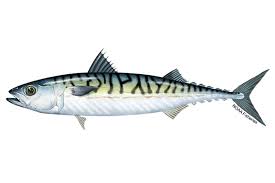
Mackerel are characterized by their streamlined, torpedo-shaped bodies, deeply forked tails, and shimmering, iridescent skins. Commercially, the product is valued for its rich, oily, and distinctively “oceanic” flavor. Unlike whitefish, which are largely neutral, mackerel possesses a robust sensory profile that makes it a premium product for canning, smoking, and fresh-market trade.
The product exists in four primary industrial formats:
Frozen Whole Round: The primary raw material for industrial canning. The fish are chilled to sub-zero temperatures immediately upon capture to maintain the structural integrity of the delicate skin and meat.
Canned Mackerel: One of the most ubiquitous shelf-stable proteins in the world. Canned in its own juices, brine, tomato sauce, or oil, this format is engineered for maximum protein density and long-term shelf stability, serving as a primary protein staple in regions ranging from Southeast Asia to the Mediterranean.
Cold-Smoked and Filleted: A premium retail format. The fillets are brined, gently smoked at low temperatures to lock in the omega-3 oils, and vacuum-packed. This product is prized for its sensory complexity and ease of consumption.
Nutraceutical and Feed-Grade Oil: A massive segment of the mackerel industry is dedicated to “reduction.” The byproduct of canning and processing is rendered into high-purity fish oil, which is the primary global source of EPA and DHA for the supplement and livestock feed industries.
Industrial Specification Matrix
Because mackerel is an oily fish, its quality control is dictated by the rate of lipid oxidation. Precision management of time and temperature is the only way to prevent the product from turning rancid.
Specification Parameter
Targeted Industrial Baseline
Verification Methodology
Moisture Content
$65.0% – 72.0%$
Forced-Air Oven Drying
Crude Protein
Minimum $18% – 22%$
Kjeldahl Nitrogen Assay
Total Lipid (Fat)
$8.0% – 20.0%$ (Seasonal fluctuation)
Soxhlet Lipid Extraction
Peroxide Value (PV)
< 5 meq/kg (Indicates freshness)
Iodometric Titration
Free Fatty Acids
< 1.0%
Acid-Base Potentiometric Titration
Histamine Levels
< 50 ppm (Critical safety lock)
ELISA Pathogen / Toxin Screening
Freezing Point
$-1.5^circtext{C}$ to $-2.0^circtext{C}$
Thermocouple Profiling
Storage Temperature
$leq -25^circtext{C}$ (Deep-freeze storage)
Continuous Data Logging
Industrial Applications and Food Systems
The mackerel’s high oil content and strong structural fibers make it a unique tool in the modern industrial kitchen.
Shelf-Stable Protein Security: Canned mackerel is the bedrock of low-cost, high-nutrition food aid and emergency pantry supplies globally. Its ability to remain stable for years without refrigeration, combined with its high protein and mineral content, makes it one of the most efficient ways to transport nutrition to resource-constrained populations.
The Omega-3 Engine: The mackerel industry is the primary supplier of EPA and DHA to the global health market. Through specialized molecular distillation, mackerel oils are refined into concentrated capsules that form the backbone of the preventative medicine industry.
The Artisanal Smoked-Fish Sector: Unlike tilapia or catfish, which are largely flavor-neutral, mackerel’s strong oils respond exceptionally well to smoke. Industrial smoking tunnels use precisely controlled temperatures and wood smoke densities to transform a raw fish into a high-value, ready-to-eat luxury product.
High-End Pet Nutrition: Mackerel is a top-tier ingredient in premium pet food lines. Its fatty acid profile is clinically documented to improve the coat health and inflammatory status of domestic animals, leading to its high demand in the rapidly growing pet nutraceutical industry.
The Bio-Engineering of Freshness
The greatest enemy of mackerel quality is Scombrotoxin (Histamine) poisoning. Because mackerel is a high-histidine fish, if it is not cooled immediately upon harvest, naturally occurring bacteria can break down the histidine into histamine, which causes allergic-like reactions in consumers.
On-Board Refrigerated Seawater (RSW):
Modern industrial mackerel trawlers are essentially floating processing plants. The moment the fish are brought on board, they are submerged in RSW tanks—water chilled to near freezing. This rapid cooling halts bacterial growth and enzyme activity within minutes of the catch, ensuring the fish remains “as fresh as the day it was caught” even after a multi-day voyage.
Rapid Thermal Inactivation:
In canning operations, the fish are subjected to high-pressure autoclaving. This process is not merely for sealing; it is an industrial sterilization method that inactivates all enzymes that could lead to oxidative breakdown. By pushing the internal temperature of the can to 121°C, the process locks the mackerel in a vacuum-sealed, shelf-stable state that preserves its nutritional density for years.
Sustainability and The Migratory Challenge
Mackerel management is a masterclass in international cooperation. Because they are migratory, they do not belong to a single nation’s waters. The management of mackerel stocks requires complex, data-driven multi-national agreements between the EU, Norway, Iceland, and the Faroe Islands.
Acoustic Surveying: Scientists use advanced sonar and acoustic biomass surveys to track the massive schools of mackerel in real-time. This data-driven approach allows regulatory bodies to adjust total allowable catch (TAC) limits annually, ensuring that harvesting does not outpace the species’ reproductive replenishment.
Gear Innovation: To reduce environmental impact, the mackerel industry has adopted highly selective fishing gear. Modern mid-water trawls and purse-seine nets are designed with escape panels, allowing juvenile fish and non-target species to exit the net before it is closed, minimizing “bycatch” and protecting the biodiversity of the pelagic ecosystem.
Traceability Technology: Blockchain-based digital ledger systems are now being implemented in the mackerel supply chain. Every batch of fish can be traced back to the specific vessel, the GPS coordinates of the catch, and the temperature data from its transport journey. This radical transparency ensures that the consumer is getting a sustainably sourced product that adheres to the highest biosecurity standards.
Conclusion
Mackerel is the silver engine of the oceans. It provides a unique bridge between wild-capture sustainability and the industrial requirements of modern, high-protein food systems. While it may lack the farm-gate consistency of tilapia or catfish, it makes up for it with a complex, nutrient-rich profile that the modern world desperately requires.
The industrial journey of mackerel—from the freezing waters of the North Atlantic to the vacuum-sealed aluminum of a commercial cannery—is a feat of temperature management and supply chain logistics. As global demand for healthy, sustainably sourced omega-3 oils grows, the mackerel industry is poised to remain a vital participant in the future of food. Through data-driven stock management, innovative refrigeration technology, and rigorous safety testing, mackerel will continue to serve as a cornerstone of global food security, providing one of the most efficient, nutrient-dense, and delicious sources of protein found in our oceans.