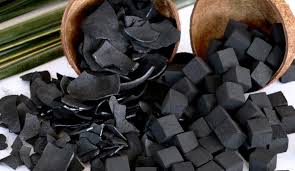
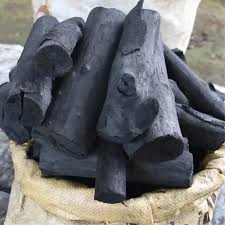
Wood charcoal is a lightweight, black, carbon-rich material produced by heating wood in a controlled environment with limited oxygen. This process, known as pyrolysis, removes water and volatile compounds from the wood, leaving behind nearly pure carbon. Wood charcoal is widely used as a fuel source, industrial raw material, filtration medium, and agricultural input.
It is highly valued for its high energy output, clean-burning properties, and versatility across domestic, commercial, and industrial applications. From household cooking and barbecue grilling to metallurgy and water purification, wood charcoal remains an essential natural energy product in many parts of the world.
Definition of Wood Charcoal
Wood charcoal is a porous, carbon-dense solid fuel produced by the thermal decomposition of wood in the absence or limited supply of oxygen, resulting in a lightweight material with high calorific value and low moisture content.
It is derived from hardwood and softwood species such as:
Important in traditional iron and steel processing
4. Water and Air Filtration
Activated charcoal purifies water and air
Removes toxins and impurities
5. Agriculture
Used in soil conditioning (biochar)
Improves soil fertility and moisture retention
6. Chemical and Pharmaceutical Industries
Used in purification and chemical processing
Common in toxin removal applications
Advantages of Wood Charcoal
1. High Energy Efficiency
Produces strong, long-lasting heat.
2. Clean Burning
Produces less smoke compared to raw wood.
3. Versatile Applications
Used in domestic, industrial, and environmental sectors.
4. Renewable Energy Source
Can be produced sustainably from managed forests.
5. Easy Storage and Transport
Lightweight and compact compared to firewood.
6. Cost-Effective Fuel
Affordable alternative to fossil fuels in many regions.
Economic Importance
Wood charcoal contributes significantly to global economies by:
Supporting rural energy supply chains
Creating employment in forestry and production industries
Driving trade in biomass fuel markets
Supporting small-scale industries and food businesses
Providing affordable energy in developing regions
It remains an important source of income and energy security.
Environmental Considerations
Wood charcoal production has both benefits and concerns:
Positive aspects:
Renewable when sourced from sustainable forestry
Can utilize wood waste and agricultural residues
Supports bioenergy development
Challenges:
Unsustainable harvesting can lead to deforestation
Carbon emissions if production is not controlled
Requires efficient kiln technology for cleaner production
Sustainable management is essential to reduce environmental impact.
Storage and Handling Guidelines
To maintain quality:
Store in dry, moisture-free environments
Keep away from water and humidity
Use sealed or covered packaging
Avoid exposure to open flames during storage
Handle carefully to prevent breakage and dust formation
Proper storage ensures high combustion efficiency.
Quality Control Standards
High-quality wood charcoal must meet:
High fixed carbon content
Low moisture level
Low ash content
Uniform size grading
High calorific performance
Clean combustion with minimal smoke
Conclusion
Wood charcoal is a highly valuable biofuel and industrial material produced from natural wood sources such as Tectona grandis, Acacia mangium, and Eucalyptus globulus. It offers high energy efficiency, versatility, and widespread usability across domestic and industrial sectors.
From cooking and heating to metallurgy, filtration, and agriculture, wood charcoal remains a vital resource in both traditional and modern applications. As demand for renewable energy grows, sustainable charcoal production continues to play an important role in balancing energy needs and environmental protection.
In essence, wood charcoal is not just a fuel—it is a natural energy resource that supports livelihoods, industries, and sustainable development when responsibly produced and managed.