CULTURAL ACCESSORIES: DETAILED PRODUCT DESCRIPTION
1. DEFINITION OF CULTURAL ACCESSORIES
Cultural accessories are decorative or functional items worn or carried by individuals to represent cultural identity, heritage, tradition, and social meaning. These accessories are often linked to specific ethnic groups, regions, or communities and are used to complement traditional clothing or ceremonial outfits.
Unlike ordinary fashion accessories, cultural accessories carry symbolic value. They may represent status, marital status, age group, spirituality, tribe, or participation in cultural ceremonies.
Examples include beads, bangles, headpieces, waist beads, necklaces, anklets, earrings, fans, ceremonial staffs, hats, and decorative body ornaments.
—
2. INTRODUCTION TO CULTURAL ACCESSORIES
Cultural accessories have existed for thousands of years and are deeply rooted in human civilization. In many societies, they were among the earliest forms of personal adornment, used long before modern fashion systems developed.
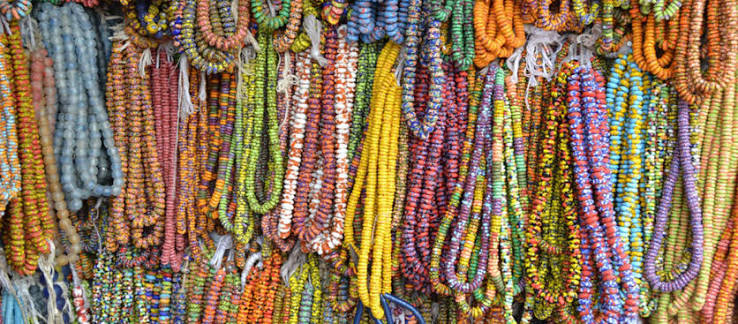
Historically, cultural accessories were made from natural materials such as shells, bones, wood, seeds, stones, metals, and animal skins. Over time, craftsmanship evolved, introducing gold, silver, glass beads, and finely woven textiles.
Today, cultural accessories are still widely used in traditional ceremonies such as weddings, festivals, initiation rites, religious events, and cultural celebrations. At the same time, they have also become part of modern fashion, where designers incorporate cultural elements into contemporary styling.
Cultural accessories play a key role in preserving identity and passing traditions from one generation to another.
—
3. TABULATED SPECIFICATION OF CULTURAL ACCESSORIES
| SPECIFICATION CATEGORY | DETAILS |
|————————|———|
| Product Type | Decorative and symbolic fashion items |
| Material Types | Beads, metal, wood, leather, shells, fabric, glass |
| Usage Purpose | Cultural identity, decoration, symbolism |
| Wearable Forms | Neck, wrist, head, waist, ankle, body |
| Design Style | Traditional, handcrafted, symbolic, artistic |
| Durability | Medium to high depending on material |
| Weight | Lightweight to medium |
| Cultural Importance | Very high in traditional societies |
| Maintenance | Low to moderate (cleaning required) |
| Occasions | Ceremonies, festivals, weddings, rituals |
| Craft Type | Handcrafted or machine-assisted |
—
4. TYPES OF CULTURAL ACCESSORIES
4.1 JEWELRY-BASED ACCESSORIES
These include necklaces, earrings, bracelets, rings, and anklets made from beads, gold, silver, or traditional materials.
4.2 HEAD AND HAIR ACCESSORIES
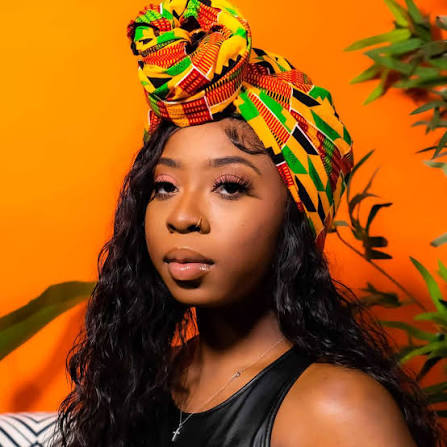
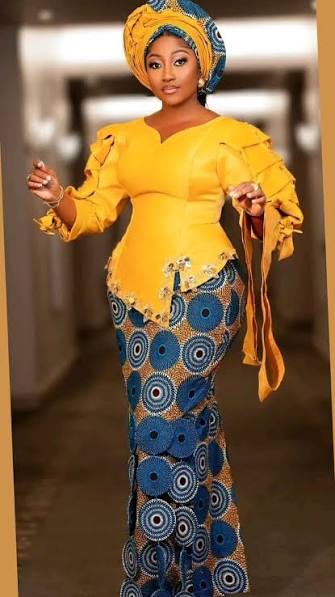
Includes head wraps, crowns, hairpins, and decorative combs used in cultural hairstyles and ceremonies.
4.3 BODY DECORATIVE ACCESSORIES
Includes waist beads, body chains, and torso ornaments that often carry symbolic meaning.
4.4 CEREMONIAL ACCESSORIES
Includes staffs, fans, swords, and ritual objects used in cultural and traditional events.
4.5 FOOT AND LEG ACCESSORIES
Includes anklets, leg beads, and decorative straps worn during dances or ceremonies.
The choice of material often depends on cultural meaning, availability, and social status.
—
6. MANUFACTURING PROCESS OF CULTURAL ACCESSORIES
1. Selection of raw materials based on cultural design
2. Handcrafting or machine production of accessory components
3. Beading, carving, or molding processes
4. Assembly of individual decorative elements
5. Polishing, painting, or finishing
6. Quality inspection for durability and design accuracy
7. Packaging and preparation for use or sale
Many cultural accessories are handcrafted, making each piece unique and culturally significant.
—
7. USES OF CULTURAL ACCESSORIES
7.1 CULTURAL AND TRADITIONAL EVENTS
Worn during weddings, festivals, initiation ceremonies, and heritage celebrations.
7.2 SYMBOL OF IDENTITY
Represents ethnic identity, social status, or cultural belonging.
7.3 FASHION AND STYLE
Modern fashion incorporates cultural accessories as statement pieces.
7.4 RELIGIOUS AND SPIRITUAL PURPOSES
Some accessories are used in rituals or spiritual practices.
7.5 DANCE AND PERFORMANCE WEAR
Used in traditional dances and performances to enhance visual expression.
—
8. ADVANTAGES OF CULTURAL ACCESSORIES
– Strong cultural and symbolic value
– Enhances traditional outfits
– Wide variety of designs and materials
– Supports local craftsmanship and artisans
– Suitable for both traditional and modern fashion
– Helps preserve cultural heritage
—
9. LIMITATIONS OF CULTURAL ACCESSORIES
– Some designs may be heavy or uncomfortable
– Requires careful handling and maintenance
– Can be expensive depending on materials used
– May not suit everyday or formal modern workplaces
– Some items are culturally specific and not universally understood
—
10. CONCLUSION
Cultural accessories are important elements of human expression that combine art, tradition, and identity. They play a vital role in ceremonies, celebrations, and everyday cultural representation.
Beyond decoration, they carry deep meanings connected to heritage, social identity, and spiritual beliefs. Over time, they have also influenced global fashion, blending traditional craftsmanship with modern design trends.
Overall, cultural accessories remain powerful symbols of identity and creativity, preserving cultural heritage while continuing to evolve in contemporary fashion.