Smoked fish is a preserved seafood product created by exposing fish to smoke generated from burning wood, sawdust, or other natural plant materials under controlled conditions. This traditional preservation method has been used for centuries to extend shelf life, enhance flavor, and improve the texture of fish while maintaining much of its nutritional value.
Smoked fish is highly valued in households, restaurants, and food industries due to its rich smoky aroma, unique taste, and versatility in culinary applications. It is consumed in many forms, including whole smoked fish, fillets, chunks, flakes, and packaged ready-to-eat products.
The smoking process not only preserves the fish but also gives it a distinctive flavor profile that is widely appreciated in local and international cuisines.
Definition of Smoked Fish
Smoked fish refers to fish that has been cured and preserved through exposure to smoke from smoldering wood or plant materials under controlled heat and drying conditions.
Common fish species used for smoking include:
Salmo salar Clupea harengus Oreochromis niloticus
Smoking helps reduce moisture content, inhibit bacterial growth, and improve storage life.
Types of Smoked Fish
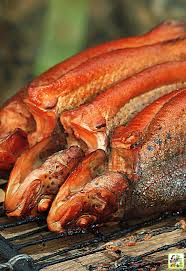
1. Hot-Smoked Fish
Fish is smoked at higher temperatures
Fully cooked during smoking
Soft texture and ready-to-eat
2. Cold-Smoked Fish
Smoked at lower temperatures
Not fully cooked
Delicate texture and mild smoky flavor
3. Traditional Smoked Fish
Produced using local smoking kilns and firewood
Common in artisanal fisheries
4. Industrial Smoked Fish
Processed using modern smoking chambers with controlled conditions
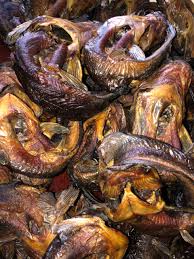
5. Dried Smoked Fish
Combined smoking and drying process for extended shelf life
Fish Species Commonly Used
Various fish species are suitable for smoking depending on region and consumer preference:
Salmon
Tilapia
Herring
Mackerel
Catfish
Sardines
Trout
Fatty fish are often preferred because they absorb smoke flavor effectively.
Smoking Process
The production of smoked fish involves several key stages:
1. Fish Selection
Fresh, high-quality fish are selected and inspected.
2. Cleaning and Dressing
Fish are gutted, washed, and prepared.
3. Salting or Brining
Salt is applied to:
Improve flavor
Reduce moisture
Enhance preservation
4. Drying
Fish may be partially dried before smoking.
5. Smoking
Fish are exposed to smoke under controlled temperature conditions.
6. Cooling
Smoked fish is cooled to stabilize texture and quality.
7. Packaging
Products are vacuum-packed or wrapped for storage and distribution.
Physical and Sensory Characteristics
High-quality smoked fish typically has:
Golden brown to dark brown surface color
Distinct smoky aroma
Firm yet tender texture
Reduced moisture content
Rich savory flavor
Clean appearance without spoilage signs
Tabulated Specification of Smoked Fish
Specification
Details
Product Name
Smoked Fish
Scientific Sources
Salmo salar, Oreochromis niloticus
Product Type
Preserved seafood product
Processing Method
Smoking, salting, drying
Smoking Types
Hot-smoked, cold-smoked, dried smoked
Texture
Firm, tender, slightly dry
Flavor Profile
Smoky, savory, rich
Color
Golden brown to dark brown
Shelf Life
Several days to months depending on smoking intensity
Storage Conditions
Refrigerated or dry storage (depending on product type)
Packaging
Vacuum packs, plastic wraps, sealed containers
Nutritional Content
Protein, omega-3 fats, vitamins, minerals
Traceability
Fishery or aquaculture source records
Uses of Smoked Fish
Smoked fish is widely used in food preparation and processing:
1. Household Consumption
Used in soups, stews, sauces, and traditional dishes.
2. Restaurant and Hospitality Industry
Served in gourmet seafood meals and appetizers.
3. Food Processing Industry
Used in:
Ready meals
Fish spreads
Sandwich fillings
Canned seafood products
4. Snack Foods
Smoked fish strips and flakes are consumed as protein-rich snacks.
5. Export Markets
Smoked fish is a valuable international seafood commodity.
Nutritional Value of Smoked Fish
Smoked fish retains many essential nutrients:
High-quality protein
Omega-3 fatty acids
Vitamin D and B12
Selenium and iodine
Healthy fats
However, salt content may vary depending on processing method.
Health Benefits
Smoked fish offers several health advantages:
1. Heart Health
Omega-3 fats support cardiovascular function.
2. Muscle Maintenance
Protein supports tissue growth and repair.
3. Brain Function
Omega-3 and B vitamins aid neurological health.
4. Bone Support
Vitamin D helps calcium absorption.
5. Long Shelf Life Nutrition
Provides preserved protein in areas with limited refrigeration.
Economic Importance
Smoked fish contributes significantly to fisheries economies:
Adds value to fresh fish products
Reduces post-harvest fish losses
Supports artisanal and industrial fisheries
Creates jobs in processing and distribution
Expands seafood export opportunities
Smoking is especially important in regions lacking advanced cold-chain systems.
Environmental Considerations
Smoked fish production involves environmental factors such as:
Sustainable fish harvesting practices
Responsible wood fuel use
Reduced spoilage and food waste
Importance of pollution-free water sources
Modern systems aim to improve energy efficiency and reduce smoke emissions.
Storage and Handling Guidelines
To maintain quality and safety:
Refrigerate smoked fish when required
Keep dry-smoked fish in moisture-free environments
Use airtight packaging
Avoid prolonged exposure to heat and humidity
Observe hygiene during handling
Consume within recommended shelf life
Quality Control Standards
High-quality smoked fish must meet:
Fresh raw fish quality standards
Proper smoking temperature control
Absence of mold or contamination
Uniform smoking and drying
Safe moisture and salt levels
Food safety and traceability compliance
Conclusion
Smoked fish is a valuable preserved seafood product that combines traditional processing techniques with modern food preservation benefits. Produced from fish species such as Salmo salar and Oreochromis niloticus, smoked fish offers rich flavor, extended shelf life, and excellent nutritional value.
Its importance in household nutrition, global seafood trade, and food security makes it a significant product in the fisheries and food processing industries. Whether consumed as a delicacy, a cooking ingredient, or a preserved protein source, smoked fish continues to play an essential role in culinary traditions worldwide.
In essence, smoked fish is not just preserved seafood—it is a culturally important and nutritionally rich food product that bridges tradition, sustainability, and modern food consumption.