Granite is a coarse-grained igneous rock widely known for its strength, durability, and attractive appearance. It is one of the most commonly used natural stones in construction, architecture, and decorative applications due to its resistance to weathering and mechanical wear.
Formed deep within the Earth’s crust through the slow cooling of magma, granite is valued for its hardness, variety of colors, and long-lasting performance in both indoor and outdoor environments.
Definition of Granite
Granite is an intrusive igneous rock composed mainly of quartz, feldspar, and mica. It forms when molten magma cools slowly beneath the Earth’s surface, allowing large mineral crystals to develop.
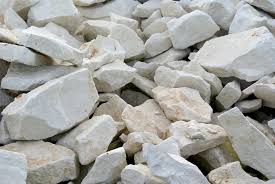
It is commonly extracted from large rock formations in quarries and processed into slabs, tiles, and blocks for construction and design purposes.
Mineral Composition of Granite
Granite typically contains:
Quartz – provides hardness and durability
Feldspar – gives color variations (pink, white, gray)
Mica (biotite or muscovite) – adds sparkle and texture
These minerals combine to form a strong and visually appealing stone.
Types of Granite
1. Quartz-Rich Granite
High quartz content
Very hard and durable
Common in countertops and flooring
2. Feldspar-Dominant Granite
Rich in feldspar minerals
Often pink or reddish in color
3. Biotite Granite
Contains dark mica minerals
Dark gray to black appearance
4. Muscovite Granite
Light-colored with silvery mica
Smooth and decorative finish
5. Porphyritic Granite
Large crystals embedded in finer matrix
Decorative and architectural use
Physical Characteristics of Granite
Granite is known for:
High hardness and strength
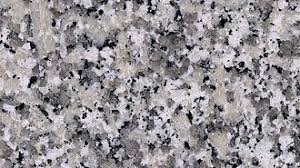
Coarse-grained crystalline texture
Resistance to heat and weathering
Low porosity and water absorption
Wide range of natural colors and patterns
Long lifespan under heavy use
Polishable to a high-gloss finish
Formation of Granite
Granite forms through geological processes:
1. Magma Intrusion
Molten rock (magma) rises into the Earth’s crust.
2. Slow Cooling
Magma cools slowly underground, allowing large crystals to form.
3. Crystallization
Minerals such as quartz and feldspar crystallize over time.
4. Uplift and Exposure
Tectonic activity exposes granite formations at the surface.
Extraction and Processing of Granite
1. Quarrying
Large granite blocks are extracted from rock deposits using cutting and blasting techniques.
2. Block Cutting
Raw blocks are cut into manageable sizes using diamond saws.
3. Slab Production
Blocks are sliced into slabs for flooring and countertops.
4. Polishing
Surfaces are polished to enhance shine and color patterns.
5. Finishing
Textures such as honed, flamed, or brushed finishes are applied.
6. Packaging and Transport
Finished granite products are packed for domestic or export markets.
Tabulated Specification of Granite
Specification
Details
Product Name
Granite
Rock Type
Igneous (intrusive)
Main Minerals
Quartz, feldspar, mica
Color Range
Gray, pink, black, white, red
Hardness
High (Mohs ~6–7)
Density
High
Porosity
Low
Water Absorption
Very low
Texture
Coarse-grained crystalline structure
Main Applications
Construction, flooring, countertops, monuments
Finishing Options
Polished, honed, flamed, brushed
Durability
Very high
Uses of Granite
1. Construction Industry
Building foundations
Structural stone blocks
Bridges and infrastructure
2. Interior Design
Kitchen countertops
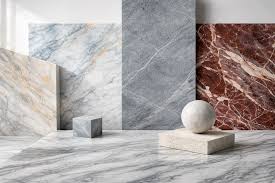
Floor tiles and wall cladding
Decorative panels
3. Monuments and Memorials
Tombstones
Statues and monuments
4. Road and Infrastructure
Kerbstones
Railway ballast
Pavement materials
5. Commercial Architecture
Hotels, offices, and malls
Exterior facades
Advantages of Granite
1. Extreme Durability
Highly resistant to wear and pressure.
2. Heat Resistance
Suitable for kitchen and industrial environments.
3. Aesthetic Appeal
Natural patterns and colors enhance design.
4. Low Maintenance
Easy to clean and long-lasting.
5. Weather Resistant
Performs well in outdoor conditions.
Economic Importance
Granite contributes to global economies by:
Supporting quarrying and mining industries
Driving construction and real estate development
Creating employment in stone processing and export sectors
Generating revenue from infrastructure projects
Supporting global decorative stone markets
It is a major export commodity in many countries.
Environmental Considerations
Granite extraction may involve:
Land disturbance from quarrying
Dust and noise pollution
Energy use in cutting and polishing
However, environmental management practices include:
Controlled quarrying techniques
Recycling of stone waste
Land rehabilitation after mining
Granite itself is a natural, non-toxic building material.
Storage and Handling Guidelines
To maintain quality:
Store slabs in upright position with support
Avoid impact and heavy shocks during handling
Protect polished surfaces from scratches
Use proper lifting equipment for heavy blocks
Keep in dry storage areas
Quality Control Standards
High-quality granite is evaluated based on:
Mineral composition consistency
Color uniformity
Strength and density
Surface finish quality
Crack and defect inspection
Water absorption rate
Conclusion
Granite is a strong, durable, and visually appealing igneous rock formed from slowly cooled magma deep within the Earth’s crust. Composed mainly of quartz, feldspar, and mica, it is widely used in construction, architecture, and decorative applications.
From building foundations and road infrastructure to countertops and monuments, granite is valued for its strength, beauty, and long lifespan. It remains one of the most important natural stones in the global construction industry.
In essence, granite is not just a building material—it is a timeless natural stone that combines durability, elegance, and practicality in modern and traditional applications.