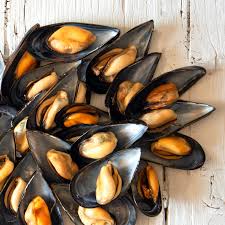
Mussels are edible aquatic shellfish belonging to the mollusk family and are widely consumed around the world for their nutritional value, delicate flavor, and culinary versatility. They are highly valued in seafood cuisine and are commonly harvested from marine and freshwater environments.
Known for their dark shells and soft edible flesh, mussels are a rich source of protein, omega-3 fatty acids, vitamins, and essential minerals. They are frequently used in soups, stews, pasta dishes, seafood platters, and gourmet cuisine.
Mussels are also environmentally important because they naturally filter water, helping maintain aquatic ecosystem balance. Due to their relatively sustainable farming practices and fast growth rates, mussels are considered one of the more environmentally efficient seafood products.
Definition of Mussels
Mussels are bivalve mollusks with two hinged shells enclosing soft edible tissue, commonly harvested or farmed for human consumption in marine and freshwater environments.
One of the most commercially important species is:
Mytilus edulis
Mussels attach themselves to rocks, ropes, or other surfaces using thread-like structures called byssal threads and are widely cultivated through aquaculture systems.
Types of Mussels
1. Blue Mussels
Common in Europe and North America
Dark blue to black shells
Tender and mildly sweet meat
2. Green-Lipped Mussels
Native to New Zealand
Green shell edges
Larger size and rich flavor
3. Mediterranean Mussels
Common in Southern Europe
Smooth dark shells
Popular in seafood cuisine
4. Freshwater Mussels
Found in rivers and lakes
Less commonly consumed commercially
5. Farmed Mussels
Cultivated in controlled aquaculture systems
More consistent size and quality
Biological Characteristics
Mussels possess unique biological features:
Two hard hinged shells (bivalves)
Soft edible inner flesh
Filter-feeding organisms
Ability to attach to surfaces using byssal threads
Rapid growth in nutrient-rich waters
Adaptability to marine and freshwater conditions
They feed naturally by filtering microscopic plankton and organic matter from water.
Harvesting and Farming Process
Mussels are obtained through both wild harvesting and aquaculture:
1. Seed Collection
Young mussels (spat) are collected naturally or produced in hatcheries.
2. Farming
Common farming systems include:
Rope culture
Raft culture
Bottom culture
3. Growth Phase
Mussels grow while feeding naturally in clean waters.
4. Harvesting
Mussels are harvested once they reach market size.
5. Cleaning and Sorting
Shells are cleaned to remove debris and impurities.
6. Packaging and Distribution
Fresh or frozen mussels are packaged under hygienic conditions.
Physical and Quality Characteristics
High-quality mussels are characterized by:
Tightly closed shells (when alive)
Glossy blue-black or dark shells
Fresh ocean-like aroma
Moist and plump flesh
No cracked or damaged shells
Uniform size and cleanliness
Fresh mussels should remain alive until cooking.
Tabulated Specification of Mussels
Specification
Details
Product Name
Mussels
Scientific Source
Mytilus edulis
Product Type
Edible shellfish / Bivalve mollusk
Habitat
Marine and freshwater environments
Shell Color
Blue-black, dark brown, or green-edged
Texture
Tender and soft
Flavor Profile
Mild, slightly sweet, oceanic
Forms
Fresh, frozen, cooked, canned
Shelf Life
2–5 days (fresh), 6–12 months (frozen)
Storage Conditions
Refrigerated or frozen
Packaging
Mesh bags, vacuum packs, trays
Farming Method
Aquaculture or wild harvesting
Traceability
Aquaculture farm or harvest area records
Uses of Mussels
Mussels are widely used in culinary and industrial applications:
1. Seafood Cuisine
Prepared in dishes such as:
Mussel soups
Seafood stews
Pasta dishes
Paella
2. Restaurant and Hospitality Industry
Popular in gourmet seafood restaurants and hotels.
3. Frozen Seafood Industry
Processed into frozen ready-to-cook seafood products.
4. Canned Seafood Products
Used in canned and preserved seafood markets.
5. Nutritional and Health Foods
Consumed for high protein and omega-3 content.
Nutritional Value of Mussels
Mussels are highly nutritious and provide:
High-quality protein
Omega-3 fatty acids
Iron and zinc
Vitamin B12
Selenium and iodine
Low saturated fat content
They are considered a healthy seafood option.
Health Benefits
Mussels offer several health advantages:
1. Heart Health
Omega-3 fatty acids support cardiovascular function.
2. Muscle Development
Rich protein supports tissue repair and growth.
3. Immune Support
Zinc and selenium strengthen immunity.
4. Brain Function
Vitamin B12 supports nervous system health.
5. Low-Calorie Nutrition
Provides nutrient density with moderate calorie levels.
Economic Importance
Mussels contribute significantly to fisheries and aquaculture industries:
Major seafood export commodity
Supports coastal economies and employment
Generates income through aquaculture systems
Important product in hospitality and food service industries
Expanding global demand for sustainable seafood
Environmental Importance
Mussels are considered environmentally beneficial:
Filter water naturally, improving water quality
Require no artificial feed in farming systems
Low carbon footprint compared to some livestock systems
Support sustainable aquaculture practices
However, clean water environments are essential to avoid contamination.
Storage and Handling Guidelines
Proper handling is essential for safety:
Store live mussels refrigerated at 0–4°C
Keep shells moist but not submerged in freshwater
Discard open shells that do not close when tapped
Avoid airtight containers for live mussels
Cook thoroughly before consumption
Maintain strict seafood hygiene standards
Quality Control Standards
High-quality mussels must meet:
Live condition before cooking
Clean and intact shells
Fresh marine odor
Proper harvesting from approved waters
Absence of contamination and toxins
Traceable sourcing and food safety certification
Conclusion
Mussels are a highly nutritious and environmentally efficient seafood product widely valued in global cuisine and aquaculture industries. As edible bivalve mollusks such as Mytilus edulis, they provide high-quality protein, essential minerals, and omega-3 fatty acids while supporting sustainable seafood production.
Their versatility in cooking, economic value, and ecological benefits make mussels an important component of modern seafood markets. From gourmet restaurants to home kitchens and export industries, mussels continue to grow in popularity as a healthy and sustainable food choice.
In essence, mussels are not just shellfish—they are a valuable aquatic resource that combines nutrition, culinary excellence, and environmental sustainability.