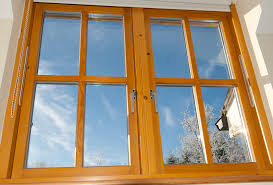
Wooden windows are architectural fixtures made from natural timber or engineered wood, designed to allow light, ventilation, and visual connection between indoor and outdoor spaces while providing insulation, security, and aesthetic enhancement. They are widely used in residential homes, commercial buildings, hotels, heritage structures, and modern architectural designs due to their timeless beauty and functional performance.
Wooden windows are valued for their natural warmth, elegant appearance, and excellent insulation properties. They can be designed in various styles such as casement, sliding, awning, fixed, or double-hung windows, depending on building requirements and design preferences. When properly treated and maintained, wooden windows can last for many years while maintaining structural integrity and visual appeal.
Definition of Wooden Windows
Wooden windows are framed openings made from solid or engineered timber that house glass panes and are installed in walls to provide ventilation, lighting, and environmental protection in buildings.
Common wood species used in window manufacturing include:
Wooden windows are widely used in various building sectors:
1. Residential Buildings
Used for:
Living rooms
Bedrooms
Kitchens
Bathrooms (treated wood types)
2. Commercial Buildings
Common in:
Offices
Shops
Showrooms
Business centers
3. Hospitality Industry
Used in:
Hotels
Resorts
Lodges
Luxury apartments
4. Institutional Buildings
Applied in:
Schools
Hospitals
Libraries
Government buildings
5. Heritage and Luxury Architecture
Used in:
Historical restorations
High-end villas
Designer architectural projects
Advantages of Wooden Windows
1. Natural Aesthetic Appeal
Enhances interior and exterior design with warm, natural beauty.
2. Excellent Insulation
Provides strong thermal and sound insulation.
3. Design Flexibility
Can be customized into various styles and finishes.
4. Durable and Strong
High-quality timber windows last for many years with care.
5. Eco-Friendly Option
Made from renewable and sustainable materials.
6. Repairable
Can be refurbished, repainted, or repaired easily.
Economic Importance
Wooden windows contribute to global industries by:
Supporting construction and real estate development
Creating employment in woodworking and carpentry sectors
Driving demand in architectural design markets
Promoting value-added timber processing
Supporting export of finished wood products
They remain important in both modern and traditional construction markets.
Environmental Considerations
Sustainable wooden window production involves:
Use of certified and plantation-grown timber
Efficient utilization of wood resources
Recycling and reuse of wood materials
Reduced dependence on synthetic materials
Eco-friendly coatings and finishes
Properly sourced wooden windows contribute to green building practices.
Storage and Handling Guidelines
To maintain quality:
Store in dry and ventilated conditions
Avoid exposure to moisture and direct sunlight
Keep frames protected from impact damage
Handle carefully to prevent scratches or warping
Install after proper acclimatization
Correct handling ensures long-term durability.
Quality Control Standards
High-quality wooden windows must meet:
Dimensional accuracy standards
Moisture content control requirements
Structural strength testing
Glass fitting precision
Air and water sealing performance
Environmental compliance certifications
Conclusion
Wooden windows are essential architectural components widely used in residential, commercial, hospitality, and heritage buildings. Made from high-quality timber species such as Tectona grandis, Quercus robur, and Swietenia macrophylla, they offer a perfect combination of strength, insulation, durability, and aesthetic appeal.
Their ability to enhance natural lighting, improve ventilation, and contribute to architectural beauty makes them a timeless choice in construction and interior design. As sustainable building practices continue to grow, wooden windows remain a valuable and environmentally friendly solution.
In essence, wooden windows are not just building components—they are functional design elements that bring comfort, elegance, and efficiency to modern and traditional structures worldwide.