Phosphate is an essential industrial mineral and chemical compound widely used in agriculture, fertilizers, animal nutrition, and various industrial processes. It is one of the most important sources of phosphorus, a key nutrient required for plant growth and energy transfer in living organisms.
Most commercial phosphate comes from phosphate rock deposits, which are mined, processed, and refined into fertilizers and industrial chemicals.
Definition of Phosphate
Phosphate refers to naturally occurring minerals containing the phosphate ion (PO₄³⁻), primarily found in phosphate rock composed of calcium phosphate minerals such as apatite.
A common form is:
Apatite group minerals such as fluorapatite: Ca₅(PO₄)₃F
These minerals are the primary raw materials for producing phosphorus-based fertilizers.
Types of Phosphate Products
1. Phosphate Rock
Raw mineral form extracted from mines
Primary source for fertilizer production
2. Fertilizer Phosphates
Processed forms used in agriculture
Examples include:
Monoammonium phosphate (MAP)
Diammonium phosphate (DAP)
3. Industrial Phosphates
Used in detergents, chemicals, and water treatment
4. Feed-Grade Phosphates
Added to animal feed for bone development and metabolism
5. Food-Grade Phosphates
Used as additives in food processing (regulated use)
Physical and Chemical Characteristics of Phosphate
Phosphate materials typically exhibit:
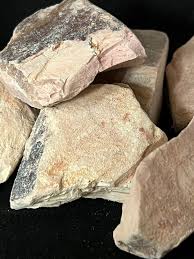
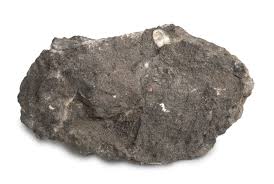
Light gray, brown, or whitish rock appearance (raw form)
High calcium phosphate content
Moderate hardness depending on mineral type
Insoluble in water (raw rock form)
Reactive when processed into acids and fertilizers
Stable under normal environmental conditions
Formation of Phosphate Deposits
Phosphate deposits form over millions of years through:
1. Marine Sedimentation
Accumulation of organic matter and marine organisms
Deposition of phosphorus-rich sediments
2. Biological Activity
Bones, shells, and waste materials contribute phosphorus
3. Geological Concentration
Tectonic processes concentrate phosphate minerals into mineable deposits
Extraction and Processing of Phosphate
1. Mining
Phosphate rock is extracted using open-pit mining methods.
2. Crushing and Screening
Large rocks are broken into smaller particles.
3. Washing and Beneficiation
Removes clay, sand, and impurities.
4. Chemical Processing
Phosphate rock is treated with acids to produce phosphoric acid.
5. Fertilizer Production
Converted into fertilizers like DAP and MAP.
6. Granulation and Packaging
Finished fertilizer products are formed into granules and packaged.
Tabulated Specification of Phosphate
Specification
Details
Product Name
Phosphate (Phosphate Rock / Fertilizer Phosphate)
Chemical Basis
Phosphate ion (PO₄³⁻) / Calcium phosphate minerals
Main Mineral
Apatite group minerals (e.g., Ca₅(PO₄)₃F)
Color
Gray, brown, white, or beige
Hardness
Medium (varies by deposit)
Solubility
Low in water (raw form)
Processing Forms
Rock, phosphoric acid, DAP, MAP
Main Applications
Fertilizers, animal feed, detergents, chemicals
Storage Conditions
Dry environment
Environmental Role
Essential nutrient source for agriculture
Uses of Phosphate
1. Agriculture (Most Important Use)
Production of fertilizers
Improves plant root development
Enhances crop yield and soil fertility
2. Animal Nutrition
Added to feed for bone strength and metabolism
Essential phosphorus source for livestock
3. Industrial Applications
Used in detergents and cleaning agents
Metal treatment and corrosion control
4. Food Industry
Used as approved additives (emulsifiers, stabilizers)
5. Water Treatment
Controls scaling and metal precipitation
Advantages of Phosphate
1. Essential for Plant Growth
Critical nutrient for energy transfer (ATP in plants).
2. High Agricultural Value
Increases crop productivity significantly.
3. Versatile Applications
Used in agriculture, industry, and food systems.
4. Long-Term Soil Benefit
Supports sustained soil fertility when managed properly.
5. Global Demand
Widely used in food production systems worldwide.
Economic Importance
Phosphate is a strategic global resource because it:
Supports global food production systems
Drives fertilizer manufacturing industries
Creates mining and chemical processing jobs
Supports export revenues for producing countries
Plays a key role in agricultural productivity and food security
It is considered one of the most critical minerals for global agriculture.
Environmental Considerations
Phosphate mining and use may involve:
Land disturbance from open-pit mining
Water pollution risks from runoff
Eutrophication in water bodies (excess nutrients)
However, environmental management includes:
Controlled fertilizer application
Waste recycling in agriculture
Improved mining rehabilitation practices
Precision farming techniques
Storage and Handling Guidelines
To maintain quality:
Store in dry, ventilated areas
Prevent moisture absorption and clumping
Keep away from contamination
Use sealed packaging for fertilizers
Handle carefully to avoid dust exposure
Quality Control Standards
High-quality phosphate is evaluated based on:
Phosphorus content (P₂O₅ percentage)
Purity and impurity levels (iron, aluminum, silica)
Particle size distribution
Reactivity for fertilizer production
Moisture content
Conclusion
Phosphate is a vital industrial and agricultural mineral composed primarily of phosphate-bearing rocks such as apatite. It serves as the foundation for fertilizer production, making it essential for global food security and modern agriculture.
From enhancing crop yields and supporting livestock nutrition to enabling industrial chemical processes, phosphate plays a central role in sustaining life and economic development.
In essence, phosphate is not just a mineral resource—it is a cornerstone of global agriculture and one of the most important drivers of food production worldwide.