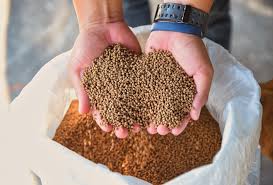
Processed meat products represent a major cornerstone of the global food industrial complex, driving retail growth and shaping modern food security frameworks. Processing technologies allow the livestock supply chain to transform perishable raw skeletal muscle tissue into stable, uniform, and commercially valuable consumer goods.
Historically, meat processing was born out of biological necessity—early farming communities relied on basic salting, drying, and smoking techniques to preserve seasonal meat surpluses for winter survival. In today’s global economy, the sector operates at a massive industrial scale, driven by advanced food chemistry, microbiology, and high-capacity manufacturing automation.
Modern meat processing addresses key challenges in consumer food delivery. By carefully altering the biochemical structure of meat, manufacturers can extend shelf life, eliminate pathogenic microflora, minimize waste, and create highly convenient, ready-to-eat options.
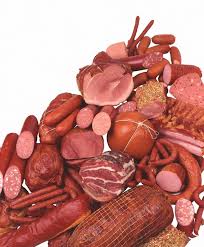
From emulsified emulsified sausages and dry-cured charcuterie to restructured deli meats and shelf-stable canned proteins, processed meats represent a highly sophisticated branch of food science. This industry bridges the gap between rural livestock production and the high-volume demands of global retail and foodservice networks.
Defining Processed Meat Products
From a regulatory and scientific perspective (such as guidelines set by the WHO, USDA, and European Food Safety Authority), processed meat products refer to any meat commodity whose native properties have been significantly altered through mechanical, chemical, or thermal treatments.
This classification excludes simple physical butchering, portioning, or freezing. To be classified as “processed,” the meat must undergo at least one of the following primary transformations:
Curing: The deliberate introduction of salt, sodium nitrite, and complementary curing agents to alter protein structures, inhibit bacterial growth, and lock in distinct color and flavor profiles.
Fermentation: Utilizing beneficial, live starter cultures (such as Lactobacillus strains) to drop the meat’s pH, which naturally prevents spoilage and creates a tangy flavor.
Smoking: Exposing meat to volatile compounds from burning hardwood to deposit natural antimicrobials, slow down lipid oxidation, and add complex smoky notes.
Emulsification: Mechanically chopping meat, fat, and water at high speeds to form a stable, uniform protein matrix that holds together during cooking.
Core Categories of Processed Meats
The industrial meat processing sector organizes its products into distinct families based on manufacturing technology, moisture levels, and thermal treatment steps.
1. Fresh Processed Meat Products
These products undergo mechanical mixing and processing, but do not receive thermal treatment or curing during manufacturing. They must be kept chilled and cooked thoroughly by the consumer.
Examples: Fresh pork sausage links, breakfast sausage patties, seasoned burger patties, and raw kebab mixes.
2. Cured and Whole-Muscle Products
These products are manufactured from intact, whole muscle cuts that are injected with or soaked in a curing brine, then cooked or smoked to alter their texture.
Examples: Smoked bone-in hams, back bacon, corned beef briskets, and pastrami.
3. Cooked-Comminuted (Emulsified) Products
These items are produced by grinding and chopping meat raw materials into an ultra-fine paste (emulsion), which is stuffed into casings and fully cooked to lock in a firm, uniform structure.
Examples: Frankfurter hot dogs, bologna, mortadella, and fine-textured liver sausage.
4. Raw-Fermented and Dry-Cured Products
These premium items rely on lactic acid fermentation, heavy salting, and controlled air-drying rather than high-heat cooking to achieve microbial safety and stability.
Examples: Genoa salami, pepperoni, Spanish chorizo, and dry-cured Prosciutto di Parma.
Technical Specifications
To maintain strict food safety standards, prevent rapid spoilage, and comply with international food regulations, processed meat products must meet precise chemical and microbial targets. The table below outlines standard industrial benchmarks for a commercial batch of cured, sliced cooked ham.
Minimum internal temperature reached 71.1°C (160°F)
Continuous Inline Thermocouple Logging
Residual Oxygen in Pack
Less than 0.5% (High-Barrier Vacuum/MAP)
Headspace Oxygen Gas Analyzer
The Biophysical Science of Meat Processing
The success of commercial meat processing relies on manipulating structural proteins and controlling biological breakdown pathways.
1. Actomyosin and the Mechanism of the Salt-Soluble Matrix
In raw meat, the primary proteins responsible for muscle movement are actin and myosin. When raw meat is mixed with water, these proteins remain locked inside their native cellular structures.
However, when sodium chloride (salt) is added to the mix, it dissolves and releases chloride ions. These ions break down the cellular walls, allowing the actin and myosin to dissolve out of the cells and fuse into a sticky, interconnected network known as a salt-soluble actomyosin matrix.
During the subsequent cooking stage, this dissolved protein matrix undergoes thermal gelation—it hardens into a tight, firm grid that traps water molecules and fat droplets completely. This chemical transformation is what gives hot dogs, sausages, and deli meats their signature juicy, elastic bite, preventing them from crumbling or leaking fat when heated.
2. The Chemistry of Nitrite Curing and Nitrosylmyoglobin
Sodium nitrite ($text{NaNO}_2$) is an essential additive used in cured meat production because it performs three critical functions:
It acts as a powerful antioxidant that prevents lipid oxidation (rancidity).
It completely blocks the growth of Clostridium botulinum, the deadly bacterium responsible for botulism poisoning.
It creates the classic, stable pink color associated with cured meats.
When sodium nitrite is added to meat, it reacts with the natural moisture to form nitrous acid, which breaks down into nitric oxide ($text{NO}$). This nitric oxide binds directly to the iron atom inside the meat’s dark myoglobin molecules, creating a temporary complex called nitrosomyoglobin.
When the meat is heated during the cooking or smoking stage, this protein complex denatures into nitrosohemochrome. This final chemical pigment is highly stable; it resists fading or changing color when exposed to light, heat, or oxygen, ensuring cured meats retain their appetizing pink appearance throughout their retail shelf life.
Industrial Manufacturing and Packaging Flow
Transforming raw agricultural trimmings into fully stabilized, retail-ready processed meat portions follows a strict engineering and sanitation sequence.
1.Raw Material Selection and Pre-Grinding:Thermal Safeguard.
Frozen or chilled meat trimmings are evaluated for fat-to-lean ratios. The selected meats are run through industrial grinders equipped with heavy-duty sizing plates to break down the tough muscle fibers into uniform, workable pieces while keeping temperatures below 2°C.
2.Brine Injection or High-Speed Blending:Matrix Building.
For whole muscle goods, automated multi-needle injectors pump a curing brine directly into the tissue. For sausages, the ground meat is moved to high-speed bowl cutters where salt, water, nitrites, and spices are blended together to extract the essential salt-soluble proteins.
3.Stuffing and Formatting:Structural Forming.
The prepared meat mass is transferred into vacuum stuffers. These machines pump the mixture under pressure into cellulose, collagen, or natural casings, creating consistent portion lengths and weights while removing internal air pockets.
4.Thermal Processing and Smoking:Pathogen Elimination.
The formatted products enter automated smokehouses. They undergo a multi-stage cooking cycle using indirect steam heat and natural wood smoke until the internal core temperature reaches a minimum of 71.1°C, which destroys spoilage bacteria and sets the protein structure.
5.Chilling, Peeling, and High-Speed Slicing:Slicing Sanitation.
Cooked products are chilled with a cold water brine spray down to 0°C to lock in shape. For sliced retail packs, automated machinery peels away the outer casings and feeds the blocks into high-speed slicing units operating inside cleanroom environments.
6.Vacuum Packaging or MAP Lock:Oxidation Defense.
The sliced portions are loaded into thermoforming packaging machines. The air inside the package is pulled out completely (vacuum packed) or replaced with a protective gas mix (Modified Atmosphere Packaging) before the plastic film is hermetically sealed to block out spoilage organisms.
Conclusion
Processed meat products represent an extraordinary synthesis of ancient preservation wisdom and high-precision modern food engineering. By mastering the behavior of salt-soluble proteins and managing curing chemistry, the meat processing industry converts highly perishable raw materials into stable, nutrient-dense consumer goods with a minimal risk of spoilage.
Through a strictly controlled manufacturing process that utilizes precise thermal steps to destroy dangerous pathogens and high-barrier packaging to isolate products from environmental oxygen, processors can safely deliver high-quality protein to global markets. As consumer preferences continue to evolve toward a balance of convenience, clean-label clean-label alternatives, and reliable food safety, the processed meat sector will remain a vital economic engine driving agricultural value and global food security.