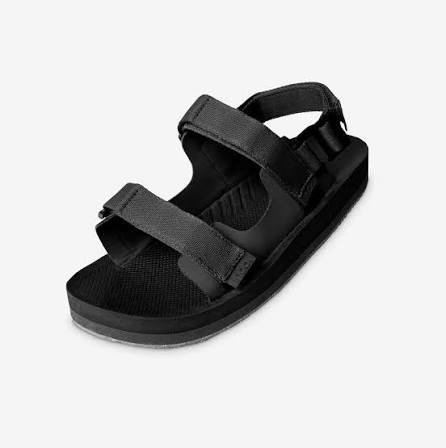
Sandals are a type of open footwear designed to protect the soles of the feet while allowing maximum airflow and comfort. They are typically made with a flat or slightly elevated sole and secured to the foot using straps, buckles, Velcro, or slip-on designs.
Unlike closed shoes, sandals leave parts of the foot exposed, especially the toes and upper foot. This makes them lightweight, breathable, and ideal for warm climates and casual environments.
Sandals can be made from leather, rubber, synthetic materials, fabric, or a combination of these depending on their purpose and design.
—
2. INTRODUCTION TO SANDALS
Sandals are one of the oldest forms of footwear in human history, dating back thousands of years. Early civilizations such as the Egyptians, Greeks, and Romans used simple sandals made from natural materials like leather, papyrus, and plant fibers to protect their feet from heat and rough terrain.
Over time, sandals evolved into a global footwear category used across cultures for both practical and fashion purposes. Today, sandals are worn worldwide in casual settings, religious environments, beachwear, and even fashion-forward outfits.
Modern sandals come in many styles, from simple flip-flops to sophisticated leather sandals used in traditional and contemporary fashion.
—
3. TABULATED SPECIFICATION OF SANDALS
| SPECIFICATION CATEGORY | DETAILS |
|————————|———|
| Product Type | Open footwear |
| Structure | Sole with straps or bands |
| Materials | Leather, rubber, EVA foam, synthetic fabrics |
| Sole Type | Flat, cushioned, or platform |
| Closure Types | Slip-on, buckle, Velcro, strap fastening |
| Breathability | Very high (open design) |
| Comfort Level | High for casual use |
| Durability | Medium to high depending on material |
| Water Resistance | High in rubber and synthetic types |
| Weight | Lightweight |
| Usage Occasions | Casual wear, beachwear, home use, cultural events |
| Maintenance | Easy to clean and maintain |
—
4. TYPES OF SANDALS
4.1 FLIP-FLOP SANDALS
Flip-flops are simple sandals with a Y-shaped strap between the toes. They are lightweight and commonly used for casual and beach wear.
4.2 LEATHER SANDALS
Leather sandals are more durable and stylish, often used in casual or semi-formal settings and traditional outfits.
4.3 SPORT SANDALS
Designed for outdoor activities, hiking, and walking, these sandals offer strong grip, cushioning, and adjustable straps.
4.4 PLATFORM SANDALS
These sandals have thick soles that add height and style, commonly used in fashion wear.
4.5 ORTHOPEDIC SANDALS
Designed for foot support and comfort, often recommended for people with foot pain or medical needs.
4.6 FASHION SANDALS
Decorative sandals designed for style, often featuring embellishments, beads, or designer elements.
—
5. MATERIALS USED IN SANDALS
– Leather: durable, stylish, and commonly used in traditional designs
– Rubber: flexible, waterproof, and ideal for everyday use
– EVA foam: lightweight and cushioned for comfort
– Synthetic leather: affordable and versatile
– Fabric straps: soft and flexible for casual wear
– Cork or wood (in soles): used for natural comfort in some designs
Material choice determines comfort, durability, and purpose of the sandal.
—
6. MANUFACTURING PROCESS OF SANDALS
1. Selection of sole material (rubber, leather, EVA)
2. Cutting straps or upper components
3. Shaping and molding the sole base
4. Attaching straps using stitching or adhesives
5. Adding cushioning or lining if required
6. Assembly of design components
7. Finishing and polishing
8. Quality inspection and packaging
Sandals generally require less complex construction than closed footwear, making them widely produced and affordable.
—
7. USES OF SANDALS
7.1 CASUAL WEAR
Sandals are commonly used for everyday comfort, especially in warm climates.
7.2 BEACH AND VACATION WEAR
They are ideal for sandy and wet environments due to their open and lightweight design.
7.3 HOME FOOTWEAR
Many people use sandals indoors for convenience and comfort.
7.4 CULTURAL AND TRADITIONAL USE
Some cultures use sandals as part of traditional attire during ceremonies or events.
7.5 OUTDOOR ACTIVITIES
Sport sandals are used for walking, light hiking, and travel.
—
8. ADVANTAGES OF SANDALS
– Lightweight and breathable
– Comfortable in hot weather
– Easy to wear and remove
– Available in many styles and designs
– Affordable and widely accessible
– Suitable for casual and outdoor use
—
9. LIMITATIONS OF SANDALS
– Limited protection compared to closed shoes
– Not suitable for harsh weather conditions
– Less formal appearance for professional settings
– Feet may be exposed to dust or injury
– Some designs offer limited arch support
—
10. CONCLUSION
Sandals are one of the most practical and ancient forms of footwear, offering comfort, breathability, and simplicity. Their open design makes them especially suitable for warm climates and casual lifestyles.
Over time, sandals have evolved from basic protective footwear into stylish and functional fashion items used worldwide. They now exist in many forms, from simple flip-flops to advanced orthopedic and fashion designs.
Overall, sandals remain an essential category of footwear, combining practicality with comfort and cultural significance in everyday life.